
Glossary · Two-word term
Resident Communication
In short
exchanging information and updates with occupants of a building
Resident communication involves the systematic exchange of technical updates and safety information between building owners and occupants during cladding assessments and remediation. It is a structured process designed to meet regulatory standards and manage the logistical impact of external wall works.
Last updated
On this page
Resident Communication
Definition and Scope of Resident Communication
In the context of the UK built environment, resident communication refers to the structured process of exchanging information and updates with the occupants of a building throughout the lifecycle of cladding assessment and remediation. It encompasses the dissemination of technical data, project timelines, and safety protocols from the building owner or responsible person to the leaseholders and tenants.
This process is not merely an administrative courtesy but a procedural requirement that ensures occupants are informed of work affecting their domestic environment. Effective communication strategies typically address the rationale for external wall investigations, the implications of survey findings, and the logistical arrangements necessitated by site works. The scope of these exchanges varies depending on whether the building is undergoing routine maintenance, a detailed Fire Risk Appraisal of External Walls (FRAEW), or large-scale remedial replacement of the cladding system.
Integration with External Wall System (EWS) Assessment
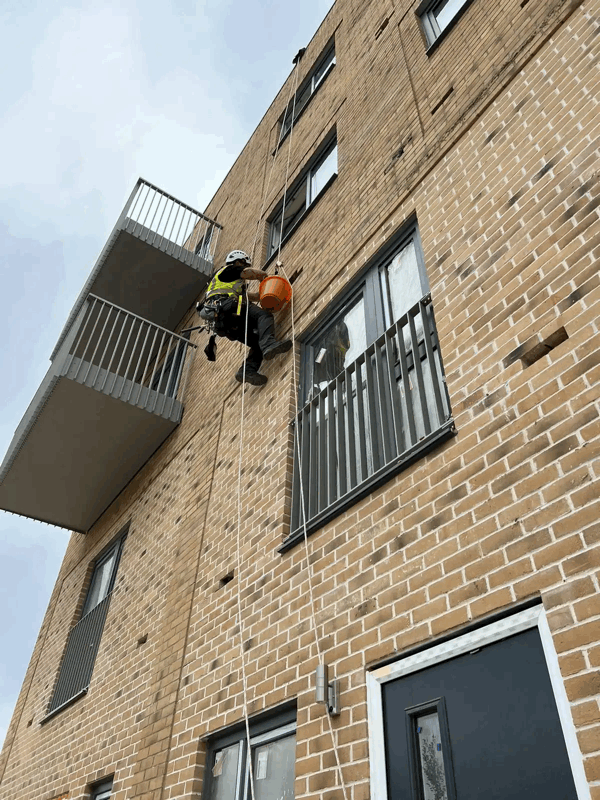
Resident communication is intrinsically linked to the technical stages of cladding testing. When an EWS1 (External Wall System) assessment or a PAS 9980 appraisal is commissioned, the process often requires intrusive inspections. This may involve the use of mobile elevating work platforms (MEWPs), abseilers, or the removal of small cladding samples for laboratory analysis.
Occupants must be informed of these activities to manage expectations regarding privacy, noise, and site access. Furthermore, when testing identifies the presence of specific materials within the wall build-up—such as combustible insulation, timber decking, or specific types of Aluminium Composite Material (ACM)—the technical findings must be translated into clear, factual updates for the residents. This transparency is necessary for residents to understand the status of their building’s external fabric and any interim fire safety measures that may be implemented as a result of the findings.
Regulatory Framework in England and Wales
The regulatory landscape for resident communication has become increasingly formalised through legislation such as the Building Safety Act 2022. For high-risk buildings (typically those over 18 metres or seven storeys), the Act introduces the role of the Accountable Person (AP) and the Principal Accountable Person (PAP), who have statutory duties regarding resident engagement.
Central to this framework is the 'Resident Engagement Strategy'. This document must outline how the PAP will share information about building safety, how residents can participate in safety decisions, and the process for residents to raise concerns or complaints. While the Building Safety Regulator (BSR) oversees these requirements for high-rise residential buildings, the principle of clear communication extends to all multi-occupancy buildings undergoing cladding works. Failure to adhere to these statutory communication requirements can lead to delays in safety certification or challenges in recovering costs through service charges, depending on the specific legal structure of the building’s management.
Obligations for Building Owners and Managing Agents
Building owners, managing agents, and directors of Resident Management Companies (RMC) or Right to Manage (RTM) companies carry the responsibility for orchestrating the flow of information. Their role involves bridging the gap between technical consultants—such as fire engineers and surveyors—and the building’s occupants.
Professional practice typically involves the following communication milestones:
| Project Phase | Communication Focus |
|---|---|
| Pre-Investigation | Notice of site surveys, scaffolding requirements, and privacy considerations. |
| Post-Assessment | Summary of EWS1/PAS 9980 findings and proposed next steps. |
| Funding Application | Updates on Building Safety Fund (BSF) or developer-led remediation progress. |
| Remediation Phase | Construction schedules, site safety, and impact on building amenities. |
| Project Completion | Final safety certifications and implications for insurance or lending. |
Managing agents must ensure that communication is inclusive, reaching residents with different language requirements or accessibility needs. Documentation should be archived systematically, as a clear audit trail of resident communication is often required for the 'Golden Thread' of building information.
Resident Communication
The Role of Information in Remediation Projects
Large-scale cladding replacement projects are significant construction undertakings that can last for several months or years. During this time, the building fabric is often exposed or covered in protective sheeting, and residents may experience the loss of balcony access or natural light. In this context, communication serves to provide technical updates on the progress of the 'wrap' removal and the installation of new, compliant cavity barriers and cladding panels.
The process also involves explaining the financial context. Whether a project is funded by the government, a developer, or through service charges, residents require clarity on their financial liabilities and the protections afforded to them under the Building Safety Act. Clear communication regarding the 'Leaseholder Protections' and 'Qualifying Leaseholder' status is a complex but essential component of managing a building with cladding issues.
Common Misunderstandings
A frequent point of friction in resident communication is the distinction between 'fire safety' and 'mortgageability.' Occupants often conflate a building’s technical safety report with an EWS1 form required by lenders. It is a common misunderstanding that a building marked for remediation is immediately unsafe to occupy; communication must clarify that safety is often maintained through interim measures while long-term remediation is planned.
Another misunderstanding involves the 'Golden Thread.' Residents may believe this refers to a single document, whereas it is an ongoing digital record of building information. Furthermore, there is often confusion regarding the 'Responsible Person' under the Regulatory Reform (Fire Safety) Order 2005 versus the 'Accountable Person' under the Building Safety Act. Clarifying these roles is essential for residents to know who to contact regarding specific concerns about their building’s external wall system.
Related Terminology
To understand resident communication fully, it is necessary to be familiar with adjacent concepts in the UK cladding and fire safety sectors:
- Resident Engagement Strategy: A formal document required for higher-risk buildings outlining how occupants will be involved in safety matters.
- Interim Measures: Temporary fire safety arrangements, such as a waking watch or enhanced fire alarm systems, implemented while cladding issues are addressed.
- Golden Thread: The digital record of building information that must be maintained throughout the building’s lifecycle.
- Fire Risk Appraisal of External Walls (FRAEW): A technical assessment conducted according to PAS 9980 standards which forms the basis for many resident updates.
- Leaseholder Liaison Officer (LLO): A specific role often appointed during remediation projects to act as a primary point of contact for occupants.
- Safety Case Report: A document prepared by the Accountable Person that identifies building safety risks and explains how they are being managed.
Effective resident communication ensures that the technical complexities of cladding systems and the regulatory requirements of building safety are handled with transparency, supporting the long-term management and safety of the built environment.
Resident Communication