
Glossary · Single word
Acm
In short
aluminium composite material, often used as cladding on building exteriors
Aluminium Composite Material (ACM) is a sandwich-style cladding panel consisting of two aluminium skins bonded to a central core. In the UK, its composition is rigorously assessed within the context of building safety and external wall regulations.
Last updated
On this page
Definition and Composition of Aluminium Composite Material (ACM)
Aluminium Composite Material, commonly abbreviated as ACM, is a type of "sandwich" panel widely utilised within the UK construction industry for external building envelopes. It consists of two thin skins of aluminium, typically between 0.3mm and 0.5mm in thickness, bonded to a central core material. The total thickness of the panel usually ranges from 3mm to 6mm. The external aluminium face is frequently coated with high-durability finishes, such as Fluorocarbon (PVDF) or Polyester (PE) resins, allowing for a broad range of colours and textures.
The core material is the defining characteristic of ACM in a technical context. Historically, these cores have been composed of various materials, including unmodified polyethylene (PE), fire-retardant (FR) mineral-filled polymers, or limited-combustibility mineral cores (often termed A2). The specific composition of this internal layer dictates the panel’s thermal performance and its reaction to fire, which are critical factors in the specification and assessment of External Wall Systems (EWS).
ACM in the Context of External Wall Systems
In the UK, ACM is rarely used as a standalone product; rather, it functions as the "rainscreen" component of a multi-layered external wall system. This system typically includes a ventilated cavity, thermal insulation, a vapour barrier, and the structural substrate of the building. The panels are often fabricated into "cassettes" that are hung onto an aluminium sub-frame or fixed as flat sheets using rivets or screws.
The performance of ACM is inextricably linked to the other components of the wall build-up. In a ventilated rainscreen system, the cavity behind the ACM panel allows for moisture drainage and pressure equalisation. However, this cavity also plays a significant role in the chimney effect, where air and heat can move vertically behind the cladding. Consequently, the interaction between the ACM panel core, the type of insulation used (such as stone wool or PIR), and the presence of correctly installed cavity barriers is a primary focus of technical surveys and fire risk appraisals of external walls (FRAEW).
Regulatory Context in England and Wales
The regulatory framework surrounding the use of ACM in England and Wales has undergone significant transformation, particularly following the introduction of the Building Safety Act 2022 and amendments to the Building Regulations 2010. For high-rise residential buildings (typically those over 18 metres or seven storeys), the standards for external wall materials are stringent.
Under Approved Document B, the focus is on the "reaction to fire" classification of materials, determined by the European Standard EN 13501-1. Materials are rated from A1 (non-combustible) to F (easily flammable). The use of specific types of ACM is governed by these classifications, with current regulations for new high-rise developments generally requiring materials to achieve Class A2-s1, d0 or Class A1. For existing buildings, the assessment process often involves the EWS1 (External Wall System) form, which is used by lenders to understand the professional valuation of a property based on the external wall's construction.
Testing, Sampling, and Identification
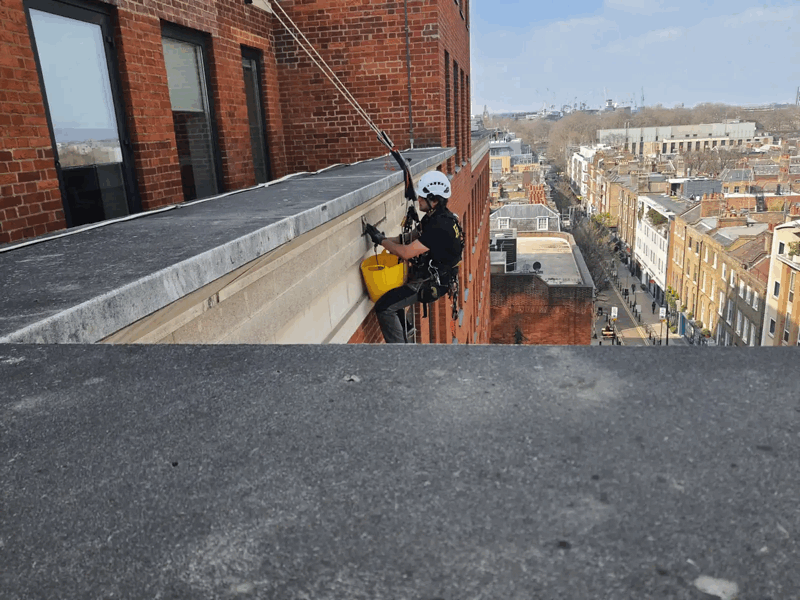
Identification of ACM type through visual inspection alone is rarely definitive, as the aluminium skins mask the core material. In the context of cladding remediation or building safety assessments, industry practice involves taking physical samples of the cladding panels. These samples are typically small "coupons" cut from the facade in discreet locations.
Once extracted, samples are sent to UKAS-accredited laboratories for testing. The primary objective is to determine the core composition and its calorific value. The standard test often cited is the ISO 1716 bomb calorimeter test, which measures the gross heat of combustion. This data allows engineers to categorise the ACM into groups, such as Category 1 (limited combustibility), Category 2 (fire-retardant), or Category 3 (unmodified polyethylene). The results of these tests form the evidence base for any subsequent fire risk assessments or recommendations for remediation work.
| Component | Common Variations | Role in System |
|---|---|---|
| Outer Skins | Aluminium (0.5mm) | Weather protection and aesthetics |
| Core Material | PE, FR, or A2 Mineral | Structural bond and fire performance |
| Fixing Method | Cassette or Face-fixed | Mechanical attachment to sub-frame |
| Finish | PVDF, PE, or Anodised | UV resistance and colour retention |
Guidance for Building Owners and Managers
Building owners, Managing Agents, and Residents' Management Company (RMC) directors must navigate a complex landscape when ACM is identified on a property. The presence of ACM does not automatically necessitate removal; however, it does require a competent professional, such as a fire engineer or qualified building surveyor, to conduct a holistic assessment of the entire wall system.
The primary guidance document for this process is PAS 9980:2022, which provides a methodology for the Fire Risk Appraisal of External Walls. This code of practice emphasizes that the risk is not solely determined by the cladding material itself, but by how it interacts with the insulation, cavity barriers, and the overall building geometry. Stakeholders are generally advised to maintain comprehensive records of O&M (Operation and Maintenance) manuals, original specifications, and any subsequent test reports to facilitate these assessments.
Common Misunderstandings
A frequent misconception is that all ACM is identical or that all ACM is inherently prohibited. In reality, "ACM" is a broad category encompassing materials with vastly different performance profiles. The term is often used interchangeably with "cladding," but cladding is the functional category, while ACM is the specific material type.
Another misunderstanding relates to the "stay put" policy. The presence of certain types of ACM may lead a Fire and Rescue Service or a fire engineer to recommend a temporary change in the building's evacuation strategy—such as moving to "simultaneous evacuation" supported by a waking watch or a common fire alarm system—while remediation options are explored. It is important to distinguish between these interim safety measures and the long-term structural requirements of the building.
Related Terminology
Understanding ACM requires familiarity with several related technical terms:
- MCM (Metal Composite Material): A broader term that includes composites with skins made of zinc, copper, or stainless steel, rather than just aluminium.
- HPL (High-Pressure Laminate): A different type of cladding panel made of wood or paper fibres bonded with resin, often assessed alongside ACM in external wall surveys.
- Cavity Barrier: A piece of fire-stopping material closed within a concealed space to prevent the spread of smoke and flame.
- Reaction to Fire: A measure of how a material contributes to the development and spread of fire, particularly in its early stages.
- EWS1: The External Wall System survey process designed to assist in the valuation of high-rise domestic properties for mortgage purposes.