
cladding replacement cost
Cladding Replacement Cost
Understanding the cladding replacement cost for a high-rise or multi-storey building in the UK requires an appreciation of both material logistics and stringent regulatory compliance. For building owners and managing agents, the financial commitment is significant, often ranging from £150 to over £400 per square metre depending on the complexity of the project and the building’s height.
On this page
14 min read
Last updated
Cladding Replacement Cost
Understanding the cladding replacement cost for a high-rise or multi-storey building in the UK requires an appreciation of both material logistics and stringent regulatory compliance. For building owners and managing agents, the financial commitment is significant, often ranging from £150 to over £400 per square metre depending on the complexity of the project and the building’s height.
Estimating how much does recladding cost involves more than just calculating the price of new panels. A comprehensive budget must account for professional surveys, safe removal of non-compliant materials, structural assessments, and the installation of a complete external wall system including insulation and cavity barriers.
Key Takeaways
- Budgeting Range: Total cladding replacement costs typically fall between £2,000 and £6,000 per linear metre for high-rise elevations, or approximately £25,000 to £60,000 per unit in residential blocks.
- Regulatory Drivers: The Building Safety Act 2022 and updated Part B of the Building Regulations dictate material choices and mandatory safety features.
- Ancillary Costs: Scaffolding and access solutions often represent 20% to 35% of the total reclad house cost or commercial project budget.
- Interim Measures: Costs may be inflated by the need for Waking Watches or temporary fire alarms during the remediation period.
- Professional Fees: Expect to allocate 10% to 15% of the budget for fire engineers, surveyors, and project managers.
- Early Investigation: Accurate cladding testing is essential to determine if full replacement is required or if targeted remediation is a viable, lower-cost alternative.
What determines the cost of cladding replacement?
The total cost to replace cladding is influenced by the height of the building, the extent of the existing defects, the choice of new materials (such as A1 or A2-s1, d0 rated panels), and the complexity of the building's footprint. Additional factors include the presence of combustible insulation, the condition of the substrate, and the necessity of resident relocation or protection measures during works.
- Building height and technical access requirements (e.g., mast climbers vs. scaffolding).
- Type of existing material being removed (hazardous material disposal costs).
- New material specification (Solid aluminium, stone wool insulation, terracotta, etc.).
- Integration with windows, balconies, and existing roof interfaces.
- Logistical constraints of occupied city-centre sites.
Understanding the Components of Recladding Costs
When asking how much does recladding cost, property professionals must look beyond the surface panels. A modern cladding system is a multi-layered assembly. The cost of recladding includes the removal of the original facade, the disposal of potentially flammable materials, and the installation of a compliant system.
In many UK high-rise projects, the cost of cladding replacement is driven by the discovery of systemic failures behind the visual surface. This includes missing or incorrectly installed cavity barriers and the presence of combustible insulation like PIR or PUR foam. Replacing these elements is non-negotiable for achieving a B1 or A-rated EWS1 form.
Typical Recladding Costs per Square Metre
While every building is unique, we can provide indicative recladding costs per square metre for various systems. These figures generally include materials, labour, and basic site preliminaries but exclude high-end access and professional fees.
- Solid Aluminium Panels: £250 – £350 per m²
- Terracotta or Brick Slip Systems: £300 – £450 per m²
- Zinc or Copper Facades: £400 – £600 per m²
- Fibre Cement Boards: £180 – £280 per m²
It is important to note that the cost to replace cladding on house or low-rise structures is significantly lower than high-rise commercial or residential blocks. Tall buildings require specialized insurance, rigorous health and safety protocols, and complex vertical logistics that can double the effective rate per square metre.
The Financial Impact of Building Height and Access
The cost to replace cladding increases exponentially with building height. For structures over 18 metres (or 11 metres under newer guidance), the technical requirements for access equipment become a dominant budget line. Scaffolding a 20-storey building is not just a labour-intensive task; it involves significant structural engineering to ensure the scaffold can withstand wind loads.
Access Equipment Considerations
Choosing the right access method is a critical step in managing cladding replacement costs. While traditional tube-and-fit scaffolding offers the best coverage for multi-trade work, it is often the most expensive option. Reclad house cost assessments for smaller properties usually rely on independent scaffolding, whereas larger blocks may utilize alternatives.
- Mast Climbing Work Platforms (MCWPs): Often more cost-effective for tall, flat elevations. They provide a stable platform and can be moved vertically quickly, reducing the cost of replacing cladding by shortening the programme length.
- Cradles / Suspended Access: Useful for targeted repairs or lighter panels, though less efficient for full-scale cladding replacement involving heavy insulation and sub-frames.
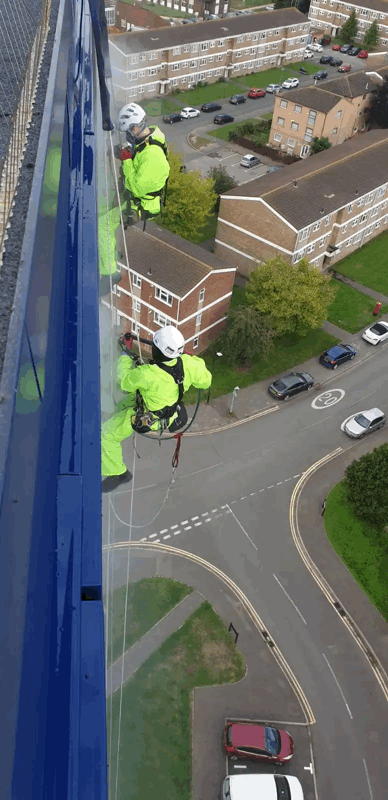
- Rope Access: Ideally suited for cladding testing and minor remedial works, but rarely practical for full recladding due to the weight of materials.
Managing agents must also account for the "pavement licence" fees and the cost of cladding replacement logistics in congested urban environments. Hoists, loading bays, and traffic management plans add tens of thousands of pounds to the final bill.
Detailed Breakdown: How Much to Replace Cladding?
To understand how much to replace cladding, we must break the project into distinct phases. A common mistake is focusing solely on the "construction" phase while ignoring the essential pre-construction and post-construction requirements.
Phase 1: Investigation and Design
Before a single panel is removed, a professional team must be engaged. This involves a façade consultant, a structural engineer, and a fire engineer. They will perform cladding testing to identify the exact composition of the wall. This phase typically costs between £15,000 and £50,000 depending on building size.
Phase 2: Stripping and Disposal
Removing hazardous or combustible materials like ACM (Aluminium Composite Material) requires controlled disposal. The cost of recladding must include skips, hazardous waste permits, and the labour required to strip the building back to its concrete or steel frame. This can cost £40 – £80 per m².
Phase 3: The New Envelope
This is the core of the cladding replacement cost. It includes the new sub-frame (helping-hand brackets and rails), non-combustible insulation (usually stone wool), cavity barriers at every floor slab and around openings, and finally the rainscreen panels. Expect £200 – £400 per m² for this stage.
Phase 4: Compliance and Certification
Following installation, the works must be inspected and signed off. Obtaining a clean EWS1 (External Wall System) certificate is the ultimate goal. The professional fees for this final verification are a small but vital part of the cost of replacing cladding.
Recladding vs. Remediation: Which is More Cost-Effective?
A common question from freeholders is: how much does it cost to replace cladding compared to simply fixing the existing system? In some cases, a full replacement is not necessary. If the panels are compliant but the cavity barriers are missing, targeted remediation is possible.
Remediation involves removing specific sections of cladding to install fire stops and then reinstating the original panels. This can significantly reduce the reclad cost. However, if the panels themselves are combustible (such as ACM PE or high-pressure laminates), a full cladding replacement is usually the only way to satisfy insurers and lenders.
Factors Favouring Remediation
- The existing panels have a proven fire rating (e.g., A1 or A2-s1, d0).
- The insulation is non-combustible.
- Structural defects are localized rather than systemic.
- The building is under 11 metres, where regulations are slightly less prescriptive regarding material types.
Factors Requiring Full Replacement
- Presence of ACM with a polyethylene core.
- Widespread use of combustible insulation in a high-rise building.
- Severe water ingress leading to corrosion of the primary sub-frame.
- Failure of the original fixing system, posing a risk of falling debris.
Legislative Impact on the Cost of Recladding
The UK regulatory landscape has shifted dramatically. The cost of recladding is now influenced by the Building Safety Act 2022, which introduced the Gateway process for high-risk buildings (HRBs). This adds administrative overhead and requires more detailed technical documentation than in previous decades.
Furthermore, the cost to replace cladding on house or low-rise flats may be influenced by the "Responsible Actors Scheme" and various government funding pots, such as the Building Safety Fund (BSF) or the Cladding Safety Scheme (CSS). Understanding eligibility for these funds is as important as understanding the cladding replacement cost itself, as it dictates the net cost to leaseholders.
VAT and Financial Relief
For many years, the cost of cladding replacement was subject to 20% VAT. However, the UK government has introduced certain reliefs for energy-saving materials and specific cladding remediation works. It is essential to consult with a tax professional to see if your project qualifies for a 0% or 5% VAT rate, which can save hundreds of thousands of pounds on a large-scale project.
Cladding Replacement Cost
Logistical Challenges in Occupied Buildings
One of the largest hidden factors in how much does it cost to replace cladding is the fact that these buildings are often occupied. Working on a live residential block adds layers of complexity that a new-build project does not face.
Resident Disruption: The cost of replacing cladding must account for resident liaison officers, noise mitigation, and the protection of balconies and windows. In some cases, residents may need to be temporarily relocated, though this is rare. The slower pace of work required to maintain safety for inhabitants naturally increases the recladding house cost.
Sequencing: Contractors cannot simply strip the entire building at once, as this leaves the structure vulnerable to weather and fire risks. Work must be done in "drops" or sections. This fragmented approach increases the reclad house cost due to extended equipment hire and inefficient labour usage.
Material Selection and Long-Term Value
When evaluating how much to replace cladding on house or commercial structures, the choice of material impacts both the immediate reclad cost and the long-term maintenance liabilities. While a cheaper fibre cement board might lower the initial cladding replacement cost, a high-quality aluminium or terracotta system may offer better longevity and lower insurance premiums.
Comparative Material Performance
Solid Aluminium (3mm): Highly durable, lightweight, and A1 fire-rated. It is easy to form into complex shapes, making it a favourite for modernizing older blocks. While the cost of recladding with aluminium is mid-range, its recycled value and low maintenance make it a strong commercial choice.
Brick Slips: Ideal for maintaining the traditional aesthetic of a UK streetscape. However, the cost to replace cladding with brick slips is higher due to the labour-intensive nature of the installation and the weight of the system, which may require structural reinforcement of the sub-frame.
Terracotta: A natural, breathable material that offers excellent thermal performance. It is towards the higher end of the recladding costs per square metre scale but provides a premium finish that can increase the resale value of the property.
Hidden Costs: The "Behind the Scenes" Requirements
When asking how much does cladding replacement cost, be prepared for the "discoveries" that occur once the first panels are removed. In our experience at Cladding Testing, we often find that the cost of cladding replacement increases because the original building was not built to the approved plans.
- Substrate Repair: If the original masonry or steel studs are corroded or uneven, they must be repaired before the new system is installed.
- Window Interfacing: Often, the existing windows were flashed into the old cladding. Replacing the cladding requires new EPDM membranes and cills to ensure water-tightness, adding to the cost to replace cladding.
- Fire Cavity Barriers: Modern standards require much more robust fire stopping than older buildings. The cost of replacing cladding includes these essential safety components.
- Lightning Protection: The new metallic cladding system must be integrated into the building’s lightning protection system.
Professional Fees and Project Management
A major recladding project is a Tier 1 construction undertaking. The cladding replacement cost must include a robust professional team to manage the risks. Typically, these fees are calculated as a percentage of the construction value.
- Fire Engineer: Essential for developing the fire strategy and signing off the remedial design. (£10k - £30k+)
- Quantity Surveyor: Manages the reclad house cost, tenders the works, and handles valuations to ensure you only pay for completed work. (2-3% of project value)
- Principal Designer: Required under CDM 2015 regulations to manage health and safety during the design phase.
- Clerk of Works: Provides independent inspection of the installation to ensure the contractor isn't cutting corners—critical for the cost of cladding replacement to be a one-time expense.
The Risk of Inaction
While the cladding replacement cost is significant, the cost of doing nothing is often higher. Buildings with non-compliant cladding face massive insurance premium hikes, sometimes increasing by 500% to 1,000% in a single year. Furthermore, flats in these buildings are often valued at £0 by lenders, making them impossible to sell or remortgage.
Engaging in a systematic investigation via Cladding Testing allows you to spread the cost of recladding over a planned period rather than reacting to an emergency enforcement notice from the Fire and Rescue Service.
Budgeting for Resident and Tenant Support
For residential blocks, the how much does it cost to replace cladding question is often followed by "who pays?". Under the Building Safety Act, qualifying leaseholders are protected from much of the cost of recladding for safety defects. However, the management of these funds and the communication with leaseholders requires time and resources.
If you are a managing agent, you must budget for the administrative cost of cladding replacement. This includes legal advice on the recovery of costs from developers or through government grants. While not a direct construction cost, these professional services are vital to the financial viability of the recladding a house cost or block remediation.
Estimating the Timeline
The duration of the project directly impacts the cladding replacement cost. A longer programme means more weeks of scaffolding hire, site management salaries, and temporary welfare facilities. A typical high-rise recladding project takes between 12 and 24 months from initial survey to final certification.
- Initial Assessment: 4–8 weeks
- Design and Tendering: 3–6 months
- Mobilisation: 1-2 months
- Construction: 9–18 months (depending on building size)
Any delays in the supply chain or due to weather will inflate the cost to replace cladding on house or commercial towers. Choosing a contractor with a proven track record in recladding house cost management is essential to keep the programme on track.
Frequently Asked Questions
How much does recladding cost for a typical UK apartment block?
For a mid-sized apartment block, the total cladding replacement cost usually falls between £1 million and £4 million. On a per-apartment basis, this often equates to £30,000 to £50,000, though these costs are frequently covered by the original developer or government funds rather than leaseholders.
How much to replace cladding on house compared to a flat?
Replacing cladding on a standard two-storey residential house is significantly cheaper, typically costing between £5,000 and £15,000. The lower how much to replace cladding on house figure is due to simpler access requirements (tower scaffolds or small independent scaffolds) and the use of less complex, non-commercial cladding systems.
How much does it cost to replace tiles with cladding?
If you are looking at how much doe it cost to replace tiles with cladding, the price is generally comparable to a standard reclad, ranging from £150 to £250 per square metre. The main cost driver is the removal of the heavy tile system and the potential need for a new bespoke rail system to bridge the gap left by the tiles.
How much does it cost to replace flammable cladding?
When asking how much does it cost to replace flammable cladding, you must include the price of "interim measures." Until the flammable ACM or HPL is removed, you may be required to pay for a Waking Watch, which can cost £10,000 to £20,000 per month for a large building. The physical cost of replacing cladding itself remains in the £200-£400 per m² range.
Can I just replace the insulation and keep the old cladding?
This is rarely feasible. To access the insulation, the cladding panels must be removed. Once removed, older panels are often damaged or no longer meet modern fire standards (such as the requirement for A1 or A2 ratings). Usually, it is more cost-effective in the long run to undertake a full cladding replacement.
How much to replace external house cladding for aesthetic reasons?
For purely aesthetic upgrades, how much to replace external house cladding depends on the material. Timber effect uPVC or composite cladding can be installed for £100-£150 per m². However, these materials may not be suitable for buildings over 11m due to fire regulations.
Does the Building Safety Fund cover all cladding replacement costs?
The BSF covers the cost of cladding replacement related to fire safety defects on buildings over 18 metres. It typically covers construction costs, professional fees, and VAT. However, it does not cover "betterment" (upgrading the building beyond what is required for safety) or general maintenance that was already required.
What is the reclad cost for a commercial office building?
Commercial reclad house cost equivalents for offices are often higher due to the need for high-performance glazing and integrated building management systems (BMS). Expect to pay at the higher end of the scale, often £400+ per m², especially if the work must be done outside of office hours to minimise business disruption.
Why is the cost to replace cladding so high compared to new build?
The cost to replace cladding is higher than new-build installation because it involves demolition, hazardous waste disposal, and working around existing residents. You are essentially performing a complex surgical operation on a living building, which requires more care, more time, and more expensive insurance.
How can I get an accurate cladding replacement cost for my building?
The only way to get a reliable figure is to start with a professional assessment. Cladding Testing can provide the initial intrusive surveys and material analysis required to build a detailed scope of work. From there, a Quantity Surveyor can produce a robust cladding replacement cost estimate.
Cladding Replacement Cost