
cladding replacement
Cladding Replacement
For building owners and property managers across the United Kingdom, cladding replacement has shifted from an aesthetic or maintenance consideration to a critical matter of safety, compliance, and asset protection. The complexity of modern external wall systems means that replacing a façade is no longer a simple construction task; it is a multi-disciplinary engineering project that requires a deep understanding of fire dynamics, structural load, and building regulations.
Independent
UK-wide coverage
Survey options
Clear reporting
On this page
Book a cladding replacement survey
For building owners and property managers across the United Kingdom, cladding replacement has shifted from an aesthetic or maintenance consideration to a critical matter of safety, compliance, and asset protection. The complexity of modern external wall systems means that replacing a façade is no longer a simple construction task; it is a multi-disciplinary engineering project that requires a deep understanding of fire dynamics, structural load, and building regulations.
At CladdingTesting.com, we recognise that the decision to undergo recladding is often driven by necessity—whether due to the presence of combustible materials, systemic water ingress, or the natural expiration of a building’s design life. However, a successful project does not start with a skip and a crowbar. It begins with a meticulous investigation to determine exactly why a system is failing and what specific cladding remediation strategy is required to restore the building’s integrity.
Key Takeaways
- Safety First: Cladding replacement is primarily driven by the need for non-combustible materials (Euroclass A1 or A2-s1, d0) and proper cavity barrier installation.
- Assessment is Critical: Never proceed to reclad a building without a comprehensive cladding testing and inspection phase to identify hidden defects.
- Regulatory Compliance: All works must align with the Building Safety Act 2022 and current UK Building Regulations, specifically Approved Document B.
- Holistic Remediation: Replacing the outer leaf is rarely enough; external wall remediation must often address insulation, fire breaks, and vapour membranes.
- Resident Impact: Projects on occupied high-rise buildings require sophisticated logistical planning and clear communication strategies to manage disruption.
What is Cladding Remediation?
Cladding remediation is the process of identifying, fixing, or replacing components of a building's external wall system that are defective, unsafe, or non-compliant with current safety standards. Unlike simple maintenance, remediation focuses on systemic issues, such as the removal of combustible ACM (Aluminium Composite Material) or HPL (High-Pressure Laminate) panels, and the correction of missing or poorly installed cavity barriers.
The goal of facade remediation is to ensure the entire wall assembly—including the outer panel, the support rails, the insulation, and the fire stopping—works together to prevent the spread of fire and resist the elements. Depending on the severity of the defects, this may involve targeted cladding remedial works or a complete external wall recladding programme.
- Repair: Addressing localised damage or minor installation errors.
- Remediation: Correcting specific systemic defects while retaining parts of the original system.
- Replacement: A total reclad where the existing system is stripped back to the substrate and replaced with new, compliant materials.
The Drivers for Cladding Replacement in the UK
The landscape of cladding replacement services in the UK is currently defined by the stringent requirements of the Building Safety Act and the evolving standards of the Fire Safety (England) Regulations. Building owners are now legally obligated to ensure that external wall systems do not facilitate the spread of fire, a requirement that has made cladding remediation contractors essential partners in property management.
Fire Safety and Non-Combustibility
The most common reason for facade recladding today is the presence of combustible materials. Post-Grenfell legislation has effectively banned the use of combustible cladding on "relevant buildings" over 11 metres in height. This has led to a massive surge in external wall remediation services as owners move to replace older PE-cored panels with solid aluminium, stone, or fibre cement alternatives.
However, the panels are only half the story. Cladding remediation frequently reveals that the insulation behind the panels is also combustible (such as certain types of PIR or PUR foam) or that cavity barriers—which are designed to stop fire moving through the gap behind the cladding—are either missing or incorrectly installed. A professional cladding replacement project must address the entire "sandwich" of materials.
Structural Failure and Material Degradation
Beyond fire safety, many buildings require cladding replacement services due to age-related deterioration. This can include:
• Galvanic Corrosion: Where incompatible metals have been used in the fixing system, leading to structural weakness.
• Panel Delamination: Particularly common in older composite panels where the adhesive bond fails.
• Fixing Failure: Where wind loading has caused stress fractures or loosening of the primary support grid.
Water Ingress and Thermal Performance
Failed seals, blocked drainage channels, or damaged external wall system remediation needs can lead to significant water penetration. If water enters the building envelope, it can rot timber frames, corrode steel structures, and destroy the thermal efficiency of insulation. In these cases, how to replace wall cladding becomes a question of building longevity as much as safety.
The Process: How to Replace Cladding Professionally
Undertaking a recladding project on a high-rise or multi-storey building is a high-stakes environment. It requires a systematic approach that moves from evidence-based investigation to precise execution. At CladdingTesting.com, we advocate for a phased methodology to ensure that the facade remediation services provided are proportionate to the actual risk.
Step 1: The Investigative Survey
Before any reclad begins, a specialist must perform an intrusive inspection. This involves taking "samples" or "opening up" sections of the façade to see what lies behind the panels. We look for:
• The exact composition of the cladding panels.
• The type and condition of the insulation.
• The presence, spacing, and orientation of cavity barriers.
• The integrity of the substrate (the wall the cladding is attached to).
Step 2: Technical Assessment and FRAEW
The findings from the survey are often used to produce a Fire Risk Appraisal of External Walls (FRAEW) under the PAS 9980 framework. This document tells the building owner whether cladding remediation is mandatory or if the risks can be managed through other means. It is the blueprint that facade remediation contractors use to develop their scope of work.
Step 3: Design and Specification
If cladding replacement is required, the design phase must specify materials that meet Euroclass A1 or A2-s1, d0 ratings. The design must also account for:
• Thermal Bridging: Ensuring the new system doesn't create cold spots that lead to internal condensation.
• Acoustics: How the new external wall recladding will affect noise transfer.
• Movement Joints: Allowing the building to expand and contract without damaging the new panels.
Step 4: Safe Removal and Disposal
The actual cladding remedial works begin with the controlled stripping of the old system. This is a critical phase, especially in occupied buildings. Cladding remediation services must include strict protocols for falling debris, fire safety during the works (when the building may be temporarily "unwrapped"), and the ethical disposal of hazardous or non-recyclable materials.
Step 5: Installation of the New System
This is where how to replace cladding board and how to replace cladding pieces translates into onsite action. The new system is installed, often including new vapour barriers, non-combustible mineral wool insulation, and a robust support grid. Precision is key here; even the best materials will fail if the cavity barriers are not installed with a "tight fit."
Understanding Cladding Remediation vs. Full Replacement
A common misconception is that every building with a cladding issue requires a total reclad. In reality, cladding specialists often find that targeted cladding remedial works can suffice. Understanding the difference is vital for managing budgets and timelines.
When Remediation is Sufficient
Cladding remediation is often the choice when the primary panels are safe, but the internal components are defective. For example, if a building has non-combustible panels but the cavity barriers were installed upside down or are missing around window openings, we can perform external wall system remediation. This involves removing the panels, fixing the barriers, and then re-cladding the building using the original panels.
When Full Replacement is Necessary
Complete cladding replacement services are triggered when the panels themselves are the primary hazard—such as ACM PE panels. In these scenarios, the risk is systemic, and the materials cannot be salvaged. Facade recladding in this context provides a "blank slate" to upgrade the building's aesthetics, fire safety, and thermal performance all at once.
Logistics and Challenges in Occupied High-Rise Buildings
One of the most complex aspects of cladding replacement is delivering the project while people live or work inside the building. Unlike new-build construction, cladding remediation contractors must operate in a "live" environment.
Access Solutions
Choosing the right access method is a major part of facade remediation services. Options include:
• Mast Climbers: Ideal for tall, linear elevations; they provide a stable platform for heavy materials.
• Scaffolding: Offers full-wrap access but can be intrusive for residents and presents security risks.
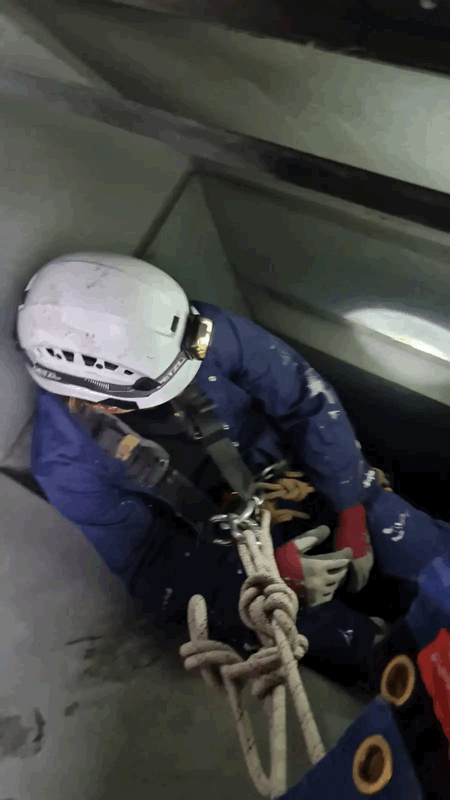
• Rope Access (Abseiling): Excellent for targeted cladding remedial works or inspections, though less practical for full-scale recladding.
Managing Resident Disruption
A reclad project can last months or even years. During this time, residents may lose their views, natural light, and balcony access. Expert cladding replacement teams prioritise:
• Noise Mitigation: Scheduling heavy drilling during specific hours.
• Privacy: Using translucent debris netting where possible.
• Communication: Providing regular updates on the "wrapping" and "unwrapping" sequence of the building.
Fire Safety During Construction
When you remove cladding, you often expose the building's inner structure. Cladding remediation services must include a temporary fire safety strategy. This might involve enhanced fire alarm systems, "waking watches," or the use of fire-retardant temporary covers to ensure the building remains safe while the external wall remediation is underway.
Book a cladding replacement survey
Cost Considerations and Funding for Recladding
The cost of cladding replacement can be significant, often running into millions of pounds for a single tower block. In the UK, the financial burden of facade remediation has been a point of major contention, leading to various government interventions.
- The Building Safety Fund (BSF): Designed to cover the cost of cladding remediation for residential buildings over 18 metres.
- The Cladding Safety Scheme (CSS): Aimed at buildings between 11 and 18 metres.
- Developer Pledges: Many of the UK’s largest developers have signed a contract to remediate buildings they constructed, removing the cost from leaseholders.
When evaluating cladding replacement services, it is essential to ensure that the cladding remediation contractors are experienced in working with these funding bodies, as the reporting and evidence requirements are incredibly strict. Failure to document the reclad process correctly can lead to delays in funding drawdowns.
Choosing the Right Cladding Replacement Specialists
Given the technical and legal weight of these projects, selecting the right recladding specialists is the most important decision a building owner will make. You are not just hiring a contractor; you are hiring a team to manage significant liability.
Technical Competence
Your facade remediation contractors should demonstrate a deep understanding of the interface between different building systems. How does the cladding meet the windows? How does the fire stopping interact with the balcony penetrations? At CladdingTesting.com, we focus on these "critical details" where most systemic failures occur.
Accreditation and Insurance
Ensure that any firm offering cladding replacement carries appropriate Professional Indemnity (PI) insurance that specifically covers cladding and fire safety works—a rarity in the current market. They should also hold relevant accreditations from bodies like the ASFP (Association for Specialist Fire Protection) or the CWCT (Centre for Window and Cladding Technology).
Past Performance
Ask for case studies of external wall remediation services on similar building types. A company that excels at low-rise retail units may not have the logistical expertise to handle a 30-storey facade recladding project in a congested city centre.
Advanced Insights: The Future of External Wall Remediation
As the industry evolves, cladding replacement is moving toward more "intelligent" façades. We are seeing a move away from purely reactive cladding remediation toward proactive asset management.
Digital Twins and Golden Thread of Information
The Building Safety Act requires a "Golden Thread" of information—a digital record of a building’s design and construction. When we perform cladding replacement services, we now create detailed digital maps of what has been installed, where, and by whom. This ensures that future cladding specialists have a clear record of the building’s safety components.
Sustainable Recladding
Modern external wall system remediation is also an opportunity to improve a building's carbon footprint. By specifying high-performance non-combustible insulation and modern re-cladding materials, owners can significantly reduce the energy demand of the building, offsetting some of the initial cladding replacement costs through long-term energy savings.
How to Replace Cladding Board: A Technical Breakdown
For those looking for the practicalities of how to replace cladding board or how to replace cladding pieces, the process must be disciplined. While specific to each system, the general workflow follows a "bottom-up" or "top-down" sequence depending on the rail system.
- Identification: Mark the specific panels for removal based on the cladding inspection report.
- Fixing Removal: Depending on the system, this may involve drilling out rivets or unscrewing secret-fix brackets.
- Substrate Prep: Once the board is removed, the cladding remediation team must inspect the revealed area for damp or rot.
- Component Replacement: Install new EPDM membranes or cavity barrier extensions if the original design was flawed.
- New Board Installation: Offer up the new non-combustible panel, ensuring correct expansion gaps are maintained between cladding pieces.
- Certification: Each replaced section should be photographed and logged as part of the cladding remedial works record.
What is Facade Remediation in a Legal Context?
Legally, facade remediation is the fulfilment of a duty of care. Under the Regulatory Reform (Fire Safety) Order 2005, the "Responsible Person" must ensure the building is safe. If a survey identifies a risk, cladding replacement or external wall remediation becomes a mandatory action to mitigate that risk. Ignoring these findings can lead to unlimited fines or imprisonment, making the role of cladding remediation contractors central to legal compliance.
Frequently Asked Questions
How much does cladding replacement cost per square metre?
The cost of cladding replacement services varies widely based on building height, access requirements, and the complexity of the existing system. On average, recladding costs in the UK can range from £200 to £600 per square metre, but this includes the removal of old materials, new insulation, and the facade remediation of internal defects. High-rise projects with complex logistics will sit at the higher end of this scale.
How long does a typical recladding project take?
A medium-sized residential block (6–10 storeys) requiring external wall remediation typically takes between 6 to 12 months. Larger high-rise towers can take 2 years or more, especially if the cladding remediation contractors have to work in phases to minimise disruption to the residents or if the weather impacts the use of mast climbers.
Can I stay in my flat during cladding replacement?
In most cases, yes. Cladding replacement services are designed to be carried out from the building's exterior. While there will be noise, scaffolding, and temporary loss of balcony use, recladding specialists work to ensure the building remains habitable. Only in extreme cases of internal safety risk would a "decant" of residents be necessary.
What is the difference between HPL and ACM?
ACM (Aluminium Composite Material) consists of two thin aluminium sheets bonded to a core (often polyethylene in older buildings). HPL (High-Pressure Laminate) is made of wood or paper fibres compressed with resin under high pressure. Both have been subject to intense cladding remediation efforts in the UK, as many versions of these materials do not meet modern fire safety standards for tall buildings.
Will cladding replacement increase my property value?
While the primary goal of external wall remediation is safety, it often has a positive impact on value. A building with an EWS1 rating of B2 or A3 is often unmortgageable. By completing a reclad and achieving an A1 or B1 rating, you restore the "lendability" of the property and often improve its kerb appeal and thermal efficiency, which can increase market value.
Do I need planning permission for recladding?
Yes, usually. Because cladding replacement changes the external appearance of the building and its thermal properties, a planning application and Building Regulations approval are required. Facade remediation contractors or their design partners usually handle these applications as part of the cladding replacement services package.
What is the "Golden Thread" in cladding remediation?
The Golden Thread is a requirement under the Building Safety Act for a digital record of all safety-related information about a building. During cladding remediation, this involves documenting every material used, every inspection photo, and every sign-off certificate to ensure future owners have a complete history of the external wall system remediation.
Summary of External Wall Remediation Strategies
Every building presents a unique set of challenges. Whether you are dealing with a 1970s office block conversion or a modern residential tower, the approach to cladding replacement must be bespoke. There is no "one size fits all" in facade remediation.
If you are responsible for a building and have concerns about the safety, compliance, or condition of your façade, the first step is always professional cladding testing. By identifying the root cause of the issue early, you can avoid unnecessary costs and ensure that the cladding remediation services you invest in provide a permanent, safe solution for your building and its occupants.
CladdingTesting.com remains committed to providing the technical expertise required to navigate the complexities of cladding replacement. Our focus is on clarity, safety, and the delivery of high-quality external wall remediation that stands the test of time and regulation.
Book a cladding replacement survey
What it costs
Pricing depends on building height, access and scope
Reviews
What clients say
Verified 5-star Google reviews from building owners, managing agents and contractors.