
Glossary · Two-word term
Cladding Materials
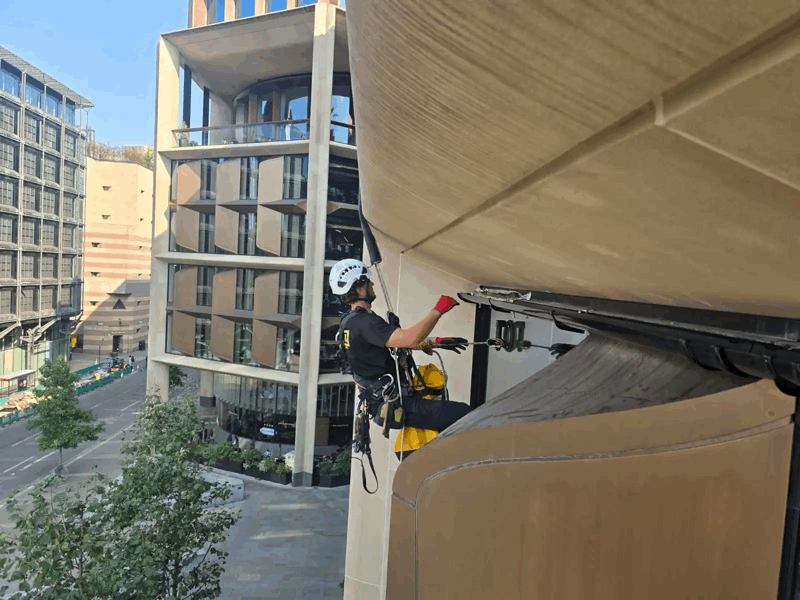
In short
various substances used for covering the exterior of buildings
Cladding materials encompass the diverse substances used to protect and finish building exteriors. Understanding their technical properties, combustibility classifications, and role within complex wall systems is essential for compliant building management and maintenance in the United Kingdom.
Last updated
On this page
Cladding Materials
Definition and Scope of Cladding Materials
In the context of the UK built environment, the term ‘cladding materials’ refers to the various substances used for covering the exterior of buildings. These materials serve as the primary interface between the internal structure of a property and the external environment. While the aesthetic finish of a building is the most visible aspect of cladding, the term encompasses the physical components—organic, inorganic, or composite—that constitute the outermost layers of the building envelope.
Cladding materials are rarely utilised in isolation. They function as part of a multi-layered assembly designed to manage thermal performance, moisture ingress, and structural stability. Common examples include timber, natural stone, brick slips, various metals such as aluminium or zinc, and diverse composite panels. In technical assessments, the term is applied not only to the visible face panels but also to the core substances, adhesives, and coatings that define the material’s physical properties.
Role in External Wall Systems (EWS)
The distinction between a 'cladding material' and an 'external wall system' is fundamental to technical surveying. A material is a singular constituent substance, whereas a system is the totality of the build-up, including insulation, fire breaks, vapour membranes, and the sub-frame. However, the specific properties of the cladding materials often dictate the requirements for the rest of the system.
For example, the permeability of a cladding material influences the depth of the ventilation cavity required to prevent interstitial condensation. Similarly, the weight and structural integrity of the material determine the specification of the fixing methods, whether mechanical or adhesive. When cladding materials are replaced or repaired, the compatibility between the new material and the existing substrate is a primary engineering concern, as disparate materials may react chemically or exhibit different rates of thermal expansion.
UK Regulatory Context and Material Classification
In England and Wales, the regulatory framework governing cladding materials has undergone significant refinement, particularly following the introduction of the Building Safety Act 2022. The focus remains on the reaction to fire and the combustibility of materials used in external walls, especially on buildings over certain height thresholds.
Materials are generally classified according to the European Classification (Euroclass) system, as defined in BS EN 13501-1. This system categorises materials from A1 (non-combustible) through to F (easily flammable). The regulatory context prioritises the ‘as-built’ performance of these materials. Consequently, building control bodies and independent assessors scrutinise the specific classifications of every layer within an external wall to ensure that the materials meet the relevant standards for the building's height, use, and location.
Technical Assessment and Testing Processes
When cladding materials are evaluated during a building survey or an EWS1 assessment, the process typically involves both non-destructive and destructive testing. The objective is to identify the precise composition of the materials present, as original architectural drawings may not always reflect the materials actually installed during construction.
The following table outlines common methods used to identify and verify cladding materials in the UK:
| Method | Purpose | Application |
|---|---|---|
| Visual Inspection | Identifying material type and surface condition. | Initial site surveys. |
| Sampling (Coring) | Removing small sections for laboratory analysis. | Identifying composite cores or hidden layers. |
| Laboratory Testing | Determining combustibility or chemical makeup. | Verification of Euroclass ratings. |
| Infrared Thermography | Assessing thermal bridging and moisture. | Non-invasive system performance checks. |
Once the materials are identified, they are cross-referenced against manufacturer data sheets and historical test reports to determine their performance characteristics. If the materials are found to be degraded or if their composition differs from the intended specification, a strategy for repair or replacement is developed.
Cladding Materials
Implications for Building Management
For building owners, managing agents, and directors of Right to Manage (RTM) or Residents' Management Companies (RMC), understanding cladding materials is essential for long-term asset management. The choice of material impacts the building’s maintenance cycle; for instance, certain timber species require periodic chemical treatment, while specific metal alloys may be susceptible to atmospheric corrosion in coastal environments.
Furthermore, the documentation relating to cladding materials—often contained within the Regulation 38 information or the Health and Safety File—is a critical component of the ‘Golden Thread’ of information. This data is necessary for securing insurance, facilitating property transactions, and ensuring that any future maintenance work does not inadvertently compromise the integrity of the external wall system. When repairs are required, professionals must ensure that replacement materials are compatible with the original design intent and current regulatory expectations.
Common Misunderstandings
A frequent misunderstanding in the industry is the conflation of the terms 'cladding material' and 'ACM' (Aluminium Composite Material). While ACM is a specific type of cladding material, it represents only a small fraction of the materials used in UK construction. The technical scrutiny applied to cladding extends to all material types, including HPL (High-Pressure Laminate), render systems, and even traditional masonry if it is part of a modern rainscreen assembly.
Another misconception is that the performance of a cladding material is static. Environmental factors, such as UV exposure, pollution, and moisture, can alter the physical and chemical properties of materials over decades. Therefore, a material that was considered standard at the time of installation may require reassessment if it shows signs of delamination, friability, or significant weathering, as these changes can affect how the material performs in the event of a fire or extreme weather.
Related Terminology
To accurately interpret technical reports regarding cladding materials, it is helpful to understand several closely related terms:
- Substrate: The underlying surface or structure to which the cladding materials are attached.
- Rainscreen: A specific type of cladding application where the external materials are designed to shed water and manage pressure, separated from the insulation by a ventilated cavity.
- Combustibility: A measure of how easily a material will burn or contribute to a fire, usually determined by laboratory furnace tests.
- Linear Gap Seals: Materials used to close gaps within the cladding assembly to prevent the passage of fire and smoke.
- Thermal Bridging: A situation where a material with high thermal conductivity (such as a metal bracket) creates a path for heat to bypass the insulation layer.
In all instances involving the identification, testing, or remediation of cladding materials, the specific requirements of the building must be evaluated by a competent professional, such as a fire engineer or a building surveyor, to ensure the external wall system functions as intended.
Cladding Materials