
Glossary · Two-word term
Occupied Buildings
In short
structures currently in use, with people living or working inside them
In the UK cladding industry, an occupied building is any structure currently used for residential or commercial purposes. Managing these buildings requires specialised safety protocols, resident liaison strategies, and technical approaches that maintain the building's integrity while people remain inside.
Last updated
On this page
Occupied Buildings
Definition and Scope of Occupied Buildings
In the context of the UK built environment and cladding remediation industry, "occupied buildings" refers to structures currently in use, with people living or working inside them. This definition distinguishes such assets from new-build projects (where the site is under the control of a principal contractor before handover) or vacant buildings undergoing comprehensive redevelopment without a resident population.
The term encompasses a broad range of high-rise and low-rise typologies, including residential apartment blocks, mixed-use developments, hospitals, hotels, and student accommodation. The presence of occupants introduces significant logistical and technical constraints to any survey, testing, or remedial programme involving the external wall system (EWS). In professional practice, the status of a building as occupied dictates the methodology for site investigations and the health and safety protocols required to mitigate risks to third parties.
Implications for Cladding Testing and Investigation
When conducting cladding testing—such as intrusive site investigations for EWS1 forms or Fire Risk Appraisals of External Walls (FRAEW) under PAS 9980—the occupied status of the building necessitates a sensitive approach. Unlike a construction site, an occupied building is a private domestic or commercial environment. Technical teams must account for resident privacy and the functional requirements of the building’s users.
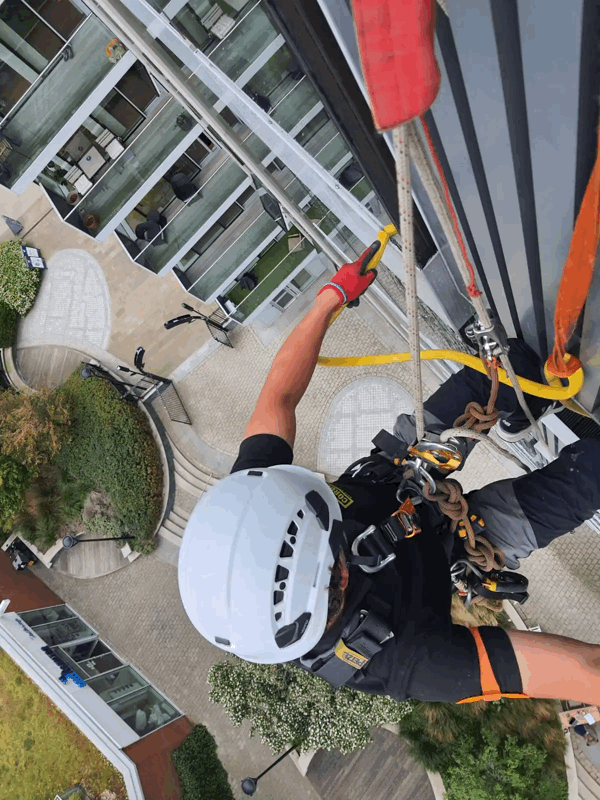
Intrusive testing in occupied settings typically involves the removal of small sections of cladding panels, insulation, and fire breaking to inspect the underlying cavity and substrate. Because the building is occupied, these "inspection holes" must be weather-proofed and made safe immediately after the survey to maintain the integrity of the building envelope and ensure the comfort of those inside. Furthermore, access equipment, such as mobile elevating work platforms (MEWPs) or mast climbers, must be deployed with strict exclusion zones to prevent injury to residents or members of the public passing by the structure.
Relationship to Building Fabric and External Wall Systems
The building fabric of an occupied structure represents a live environment where the external wall system performs several critical functions simultaneously: thermal insulation, weatherproofing, acoustic buffering, and fire resistance. Any remedial work or replacement of cladding on an occupied building must ensure these functions are not compromised during the works.
For example, the temporary removal of cladding panels to facilitate repair can expose the inner leaves of the wall to moisture ingress or reduce the thermal performance of the affected units. In residential contexts, this can lead to issues with damp, mould, or increased heating costs for the occupants. Consequently, the phasing of cladding replacement in occupied buildings often requires a "strip and reclad" approach that minimises the duration for which the building fabric is exposed. The technical specification for such works must also consider how the replacement materials interface with existing windows and balcony doors while the residents remain in situ.
Regulatory and Process Context in England and Wales
The regulatory landscape in England and Wales, particularly following the introduction of the Building Safety Act 2022, places specific duties on those responsible for occupied high-risk buildings. The "in-occupation" phase of a building’s lifecycle is subject to rigorous oversight by the Building Safety Regulator (BSR). For buildings over 18 metres or seven storeys, the Accountable Person (AP) or Principal Accountable Person (PAP) must ensure that the building’s golden thread of information is maintained and that a Safety Case Report is produced.
In the event that cladding remediation is required, the process for an occupied building differs from that of a vacant site. The "Gateway" process managed by the BSR ensures that any significant changes to the external wall system are reviewed for compliance with Building Regulations. Because the building is occupied, the Dutyholder must demonstrate how they will manage the risks of the construction work in relation to the people living in the building. This includes managing fire safety risks during the "construction phase" of the remediation, which may involve temporary changes to the building’s Fire Strategy, such as the implementation of a waking watch or an enhanced fire alarm system.
Occupied Buildings
Considerations for Building Owners and Managers
Building owners, managing agents, and directors of Residents' Management Companies (RMC) or Right to Manage (RTM) companies must navigate the complexities of managing major works within a live environment. Communication is a central pillar of this process. Unlike unoccupied sites, where the contractor has exclusive control, occupied buildings require a liaison strategy to inform residents of noise, dust, access restrictions, and the presence of workers.
Financial and legal considerations also differ. The recovery of costs for cladding remediation in occupied buildings is governed by the leasehold protections set out in the Building Safety Act, which vary depending on the status of the landlord and the nature of the lease. Furthermore, the selection of contractors for an occupied building often prioritises those with experience in "live" environments, as the technical skills required for cladding installation must be balanced with the soft skills required for resident engagement and the logistical skills required for tight urban sites with limited storage.
Common Misunderstandings and Terminology
A frequent misunderstanding is that "occupied" only refers to buildings where every unit is inhabited. In a regulatory and safety context, a building is considered occupied if any part of it is in use. Even a partially tenanted block requires the full suite of health and safety protections and regulatory compliance measures.
Another misconception relates to the term "vacant possession." Some stakeholders believe that cladding replacement is only feasible with vacant possession. While some extensive structural repairs may require decanting residents, the vast majority of cladding remediation projects in the UK are designed to be carried out while the building remains occupied, using external access methods to minimise disruption to the interior.
| Term | Contextual Meaning |
|---|---|
| In-Situ Remediation | Cladding works performed while residents remain in their homes. |
| Decanting | The process of temporarily moving residents out of a building to allow for invasive works. |
| Golden Thread | The digital record of a building's design, construction, and management, maintained throughout its occupied life. |
| Dutyholder | The individual or organisation responsible for safety during the design and construction phases. |
| Accountable Person | The individual or entity responsible for managing fire and structural safety in an occupied high-risk building. |
Related Industry Terminology
To understand the lifecycle of an occupied building, it is helpful to recognise related terms used by surveyors and fire engineers:
- Principal Accountable Person (PAP): The entity responsible for the building as a whole when there are multiple accountable persons.
- Building Assessment Certificate: A document issued by the BSR confirming that the accountable person is managing the risks in an occupied high-rise building.
- Safety Case Report: A document prepared by the PAP that identifies major accident hazards and explains how they are being managed while the building is occupied.
- Functional Requirements: The essential performance criteria (e.g., B4 for external fire spread) that a cladding system must meet throughout its service life in an occupied state.
The management of occupied buildings undergoing cladding assessment or remediation requires a multidisciplinary approach, balancing technical engineering requirements with the practicalities of maintaining a safe and habitable environment for residents.
Occupied Buildings