
Glossary · Single word
Removing
In short
taking something away or eliminating it from a position
In the UK cladding industry, removing refers to the systematic extraction of materials or components from an external wall system during testing, investigation, or remediation to ensure the building's fabric aligns with technical and regulatory requirements.
Last updated
On this page
Removing
Definition and Technical Scope
In the context of the UK built environment and external wall systems, "removing" refers to the systematic process of taking away or eliminating a material, component, or entire assembly from its established position on a building’s facade. While the term appears straightforward, its application within cladding remediation and investigative works involves complex technical considerations regarding structural stability, weatherproofing, and the sequential deconstruction of multi-layered systems.
Removing an element is rarely an isolated act. Because modern external wall systems (EWS) function as integrated assemblies, the removal of an outer rainscreen panel typically exposes internal components such as thermal insulation, cavity barriers, fire stops, and the primary structural substrate. In a technical capacity, the term encompasses both the physical extraction of materials and the administrative recording of their absence, ensuring that the building’s "as-built" record is updated to reflect the change in the facade’s composition.
Role in Investigation and Testing
The process of removing materials is a fundamental requirement of intrusive site investigations. To determine the composition of an external wall, surveyors and engineers must often remove specific sections of cladding to facilitate "opening up" works. This allows for the inspection of hidden cavities and the verification of whether the installation aligns with the original design specifications or building regulations applicable at the time of construction.
During these investigations, removing small samples of materials is often necessary for laboratory analysis. For instance, sections of core material from Aluminium Composite Material (ACM) or High-Pressure Laminate (HPL) panels may be removed to undergo combustibility testing, such as bomb calorimetry or furnace tests. In these instances, the term refers to a precise, localized extraction designed to maintain the overall integrity of the remaining facade while providing enough material for a representative assessment.
Structural and Building Fabric Considerations
Removing components from a building’s exterior significantly alters the performance of the building fabric. The external wall serves multiple functions, including thermal regulation, moisture management, and acoustic insulation. When cladding is removed—whether for inspection or as part of large-scale remediation—the underlying structure may become vulnerable to environmental factors.
| Consideration | Impact of Material Removal |
|---|---|
| Weather Tightness | Exposure of sub-frames and insulation to rain and wind. |
| Structural Loading | Alteration of weight distribution and wind load resistance. |
| Fire Performance | Potential disruption of cavity barriers and fire-stopping integrity. |
| Thermal Integrity | Removal of insulation layers leading to increased heat loss. |
Engineers must assess the implications of removing materials on the building’s secondary steelwork or masonry. If a significant portion of the facade is removed, temporary weather protection or structural bracing may be required to prevent deterioration of the internal building fabric. This is particularly relevant in "strip and replace" operations, where the removal phase must be carefully synchronized with the installation of new, specified materials.
Regulatory and Process Context in England and Wales
The regulatory landscape in England and Wales, significantly influenced by the Building Safety Act 2022 and the evolving Building Regulations, places strict requirements on how removal works are managed. For "Higher-Risk Buildings" (typically defined by height and occupancy), the process of removing cladding is often a controlled activity that must be documented within the building’s "Golden Thread" of information.
The decision to remove cladding as a remedial measure usually follows a detailed fire risk appraisal of external walls (FRAEW) conducted in accordance with standards such as PAS 9980. Regulatory bodies and local authority building control departments require assurance that the removal process does not introduce new risks to the building's occupants or the public. This often involves the submission of detailed Method Statements and Risk Assessments (RAMS) that outline how the removal will be phased and how the building will remain functional and protected throughout the duration of the works.
Removing
Strategic Implications for Building Management
For building owners, managing agents, and directors of Residents' Management Companies (RMC) or Right to Manage (RTM) companies, the term "removing" carries significant financial and logistical weight. It is often the first physical stage of a remediation project, following years of legal and technical consultancy. Understanding the distinction between "partial removal" (for sampling) and "full-scale removal" (for replacement) is vital for budgetary planning and insurance purposes.
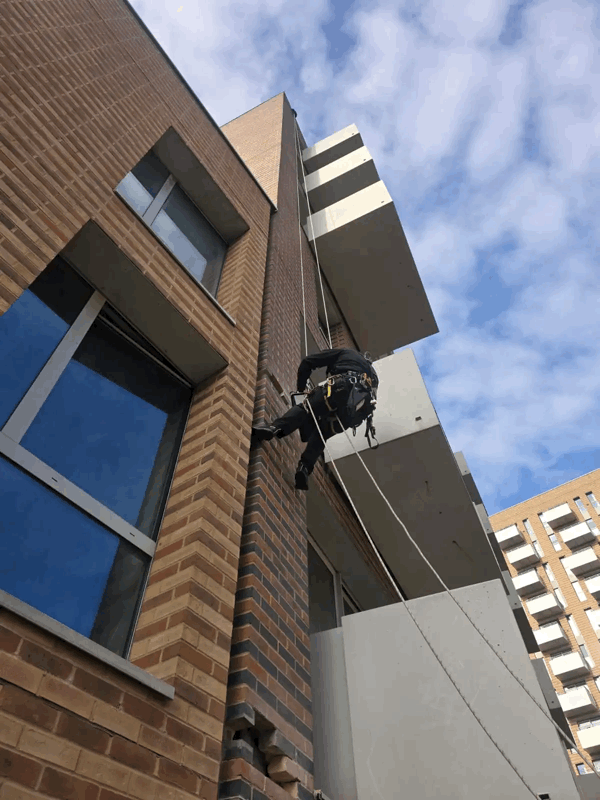
- Access Requirements: Large-scale removal typically requires scaffolding, mast climbers, or abseiling teams, which impacts site logistics and resident privacy.
- Waste Management: Materials removed from a building must be handled, transported, and disposed of according to environmental regulations, particularly if they contain hazardous substances or are non-recyclable.
- Security: The removal of ground-floor panels or the presence of scaffolding can alter the security profile of a building, necessitating additional measures.
- Cost Recovery: The extent of removal required is often a central point of discussion in funding applications (such as the Building Safety Fund) and legal claims against original developers or contractors.
Common Misunderstandings
A frequent misconception is that removing a material is synonymous with immediate replacement. In practice, there can be a substantial time lag between the removal of a non-compliant or damaged system and the installation of its successor. This "exposed" period requires careful management to ensure the building remains habitable and compliant with basic health and safety standards.
Another misunderstanding involves the scope of removal. It is sometimes assumed that only the outer decorative panel needs to be removed. However, technical assessments often conclude that the entire system—including timber battens, combustible insulation, or inadequately fixed sub-frames—must be removed to achieve a satisfactory outcome. Professionals distinguish between "stripping back to the substrate," which involves removing everything down to the structural wall, and "component removal," which targets specific failed elements.
Related Terminology
The term "removing" sits within a broader vocabulary of facade engineering and building remediation. Related terms include:
- Deconstruction: The systematic dismantling of building components, often with the intent of recycling or reusing materials.
- Remediation: The entire process of rectifying defects, of which removal is typically the initial physical phase.
- Stripping: A more aggressive term often used to describe the total removal of all layers of an external wall system down to the primary structure.
- Extraction: Usually refers to the taking of specific samples for laboratory testing.
- Redundant: A term used to describe systems or components that remain on the building but no longer serve a functional or safety purpose, often necessitating their eventual removal.
In summary, removing cladding is a technical procedure governed by structural requirements and regulatory frameworks. It serves as both a diagnostic tool during the investigative phase and a corrective action during remediation, requiring precise execution to maintain the long-term integrity of the building fabric.
Removing