
Glossary · Two-word term
Resident Liaison
In short
communication and coordination with building occupants during construction projects
Resident liaison is the formal process of managing communication between building occupants and project teams during cladding testing and remediation. It ensures residents are informed of technical works, site schedules, and safety protocols to minimise disruption in occupied buildings.
Last updated
On this page
Resident Liaison
Definition and Scope of Resident Liaison
In the context of the UK built environment, resident liaison refers to the structured process of communication and coordination between building occupants and the parties responsible for executing construction, maintenance, or remediation works. Within the cladding and external wall system (EWS) sector, this function is critical because the work typically takes place while the building remains occupied. Unlike new-build projects where a site is vacant, cladding remediation requires a sophisticated interface between the technical requirements of the project and the daily lives of those residing within the building.
Resident liaison acts as the formal bridge between the technical delivery team—including contractors, surveyors, and fire engineers—and the residents, whether they are leaseholders or tenants. The scope of this function encompasses the dissemination of project timelines, the explanation of physical disruptions, and the management of access requirements. It is not merely a customer service role; it is a fundamental component of project management designed to mitigate the logistical friction inherent in large-scale external wall interventions.
Application in Cladding Testing and Remediation
The necessity for resident liaison begins at the earliest stages of the building safety cycle, often during the initial investigation or the production of an EWS1 (External Wall System Fire Review) form. Surveyors may require access to private balconies or need to remove small sections of cladding (intrusive testing) to determine the internal composition of the wall system. Liaison at this stage ensures that residents understand why their privacy is being interrupted and what the physical implications of the sampling will be.
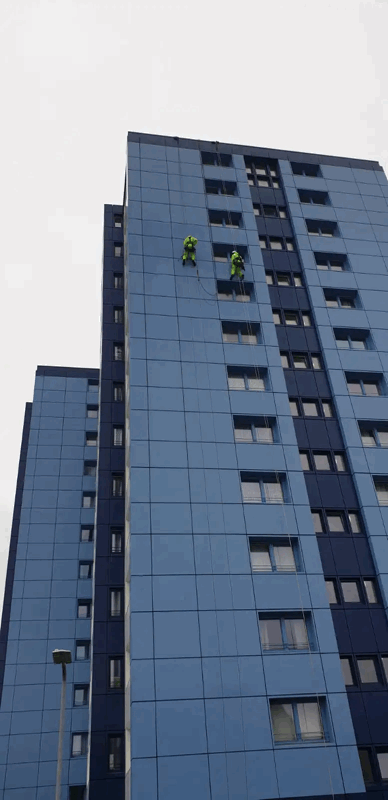
As projects move from investigation to remediation, the intensity of resident liaison increases. If a building is identified as requiring the replacement of combustible insulation or non-compliant rainscreen panels, the works often involve the erection of full-height scaffolding or the use of mast climbers. These installations directly affect light levels, privacy, and security for the occupants. Effective liaison ensures that residents are informed of the sequence of works, the expected duration of scaffolding presence, and the protocols for site operatives working in proximity to their windows.
Interface with External Wall Systems
The technical nature of external wall systems often necessitates a high degree of resident cooperation. Cladding remediation is rarely confined to the outermost decorative layer; it frequently involves the replacement of cavity barriers, fire stopping, and thermal insulation. These components are integral to the building’s fire performance and thermal envelope. Because these works occur at the boundary of the living space, they can impact the internal environment, including noise levels and, occasionally, temporary changes to thermal efficiency during the "open" phase of the works.
Resident liaison professionals are tasked with translating these technical requirements into understandable logistical information. For instance, if a project requires the replacement of window flashings or the integration of new fire breaks around apertures, residents must be informed of the specific days when work will occur around their window frames. This coordination is essential to ensure that the building fabric can be accessed safely and efficiently by the contractor without causing undue distress or unexpected disruption to the inhabitants.
Regulatory and Process Context in England and Wales
The regulatory landscape in England and Wales has placed increasing emphasis on the "voice of the resident" following the introduction of the Building Safety Act 2022. For higher-risk buildings (HRBs), defined as those over 18 metres or seven storeys with at least two residential units, the Principal Accountable Person (PAP) has a statutory duty to provide a Resident Engagement Strategy. This strategy must outline how residents will be consulted on safety decisions and how information regarding the building’s safety will be shared.
While resident liaison is a broad industry term, it now aligns with these formal legal requirements. The process is often overseen by a Resident Liaison Officer (RLO), who ensures that the building’s management complies with transparency mandates. During cladding replacement projects funded via the Building Safety Fund (BSF) or through developer pledge schemes, there are often specific reporting requirements regarding how residents are kept informed of progress. Failure to maintain an adequate liaison process can lead to project delays, increased costs through lack of access, and potential regulatory scrutiny.
Resident Liaison
Considerations for Building Owners and Managers
Building owners, Managing Agents, and Directors of Residential Management Companies (RMCs) or Right to Manage (RTM) companies must view resident liaison as a risk management tool. A failure in communication often leads to a breakdown in trust, which can manifest as a refusal of access or formal disputes, both of which jeopardise the project timeline.
Professional management of this function typically involves:
- Clear Communication Channels: Establishing dedicated email addresses, newsletters, or digital portals for project updates.
- Access Agreements: Formally scheduling times for internal inspections or balcony works to ensure contractor productivity.
- Privacy and Security Measures: Coordinating the installation of alarm systems on scaffolding and informing residents of the identification protocols for site staff.
- Disruption Mitigation: Managing expectations regarding noise, dust, and the loss of use of external spaces like balconies or communal gardens.
| Role | Primary Liaison Responsibility |
|---|---|
| Principal Contractor | Providing daily site progress updates and managing operative conduct. |
| Managing Agent | Communicating financial implications and overarching project milestones. |
| Resident Liaison Officer | Acting as the first point of contact for individual resident queries and access issues. |
| Fire Engineer | Explaining the necessity of specific remediation measures when requested. |
Common Misunderstandings
A frequent misunderstanding is that resident liaison is solely the responsibility of the building’s managing agent. In practice, it is a multi-party responsibility. While the agent may handle the high-level administrative communication, the contractor’s Resident Liaison Officer is usually responsible for the day-to-day tactical communication regarding site activity.
Another misconception is that resident liaison is only necessary for the physical construction phase. In reality, the most critical liaison often occurs during the pre-construction phase, where the scope of work is defined. If residents do not understand the necessity of the works or the chosen methodology, the likelihood of friction during the delivery phase increases significantly. Furthermore, liaison does not end when the cladding is fixed; a post-completion phase is often required to explain any new maintenance requirements or changes to the building's fire safety strategy to the occupants.
Related Terminology
The field of resident liaison shares significant crossover with other industry terms used during external wall remediation:
- Resident Engagement Strategy (RES): The formal, legally mandated document for higher-risk buildings under the Building Safety Act.
- Access Protocol: The agreed procedure for contractors to enter private areas of the building or individual units.
- Section 20 Consultation: The legal process under the Landlord and Tenant Act 1985 regarding the recovery of costs for major works, which often runs parallel to resident liaison.
- Handover Pack: The information provided to residents at the end of a project, detailing the completed works and any new safety protocols.
Resident Liaison