
Glossary · Single word
Cost
In short
The financial amount required for a project, repair, or material purchase
Cost in the cladding industry refers to the total financial expenditure required for testing, repairing, or replacing external wall systems. This includes direct construction expenses, professional fees, and compliance costs within the UK regulatory framework.
Last updated
On this page
Definition and Scope of Cost in Cladding
In the context of the UK built environment, cost refers to the total financial resources required to execute a cladding-related project, encompassing everything from initial investigative testing to final remedial certification. Within the specialist sector of external wall systems (EWS), cost is rarely a static figure; it is a multi-dimensional metric that includes direct material expenses, professional fees, access requirements, and legal compliance expenditures.
For those managing high-rise or multi-occupancy buildings, the term extends beyond the purchase price of replacement panels. It encompasses the entirety of the project lifecycle, including the identification of defects, the design of replacement systems, and the administrative costs associated with securing funding or insurance. Understanding cost in this technical capacity requires a distinction between capital expenditure (CapEx) for one-off replacements and operational expenditure (OpEx) for ongoing maintenance and safety inspections.
Financial Dynamics in Testing and Investigation
The initial phase of any cladding project involves investigative costs. These are the expenses incurred to determine the composition and safety performance of an existing external wall system. In the UK, this typically involves the instruction of fire engineers and building surveyors to conduct intrusive inspections.
The cost of testing is influenced by several variables:
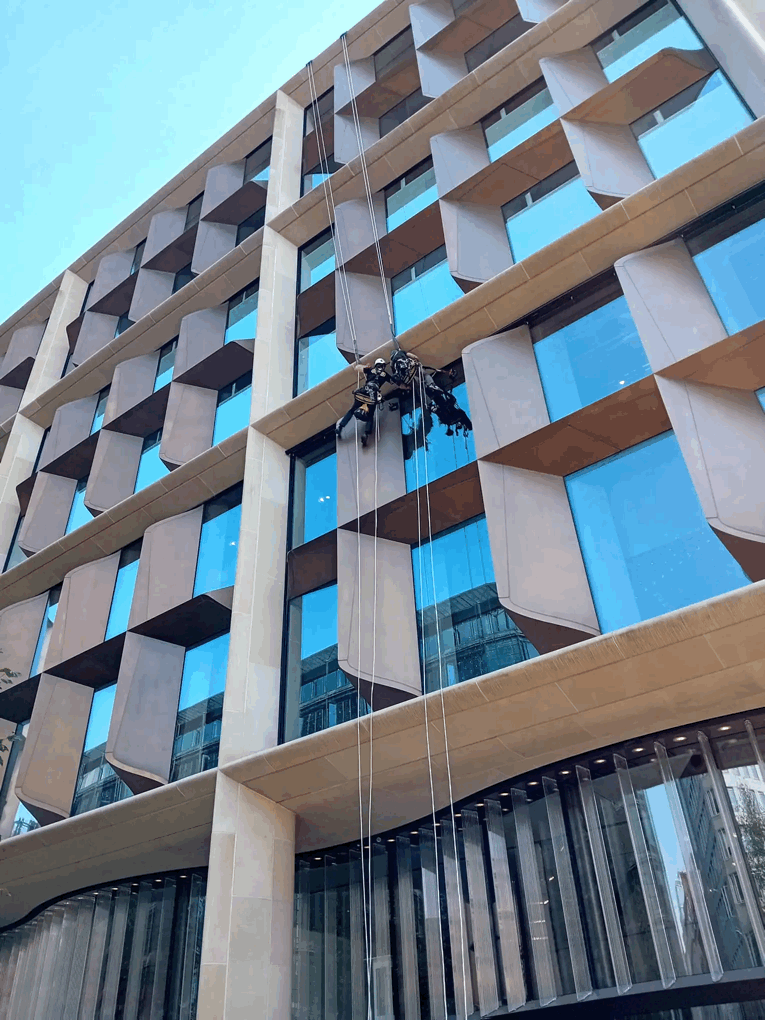
- Access Requirements: The necessity for mobile elevating work platforms (MEWPs), cradles, or fixed scaffolding to reach representative sections of the facade.
- Laboratory Analysis: The fees for independent UKAS-accredited laboratories to perform combustibility tests (such as BS EN 13501-1) on material samples.
- Professional Reporting: The production of EWS1 forms or Fire Risk Appraisals of External Walls (FRAEW) conducted to PAS 9980 standards.
These preliminary costs are critical for establishing the baseline of a project. Without accurate investigative data, the subsequent costs for repair or replacement cannot be reliably projected, often leading to significant budgetary variances later in the project lifecycle.
Components of Remediation and Repair Costs
When a building requires remedial work, the cost structure becomes more complex. It is generally categorised into hard costs and soft costs. Hard costs are directly related to the physical construction, such as the removal of non-compliant materials, the purchase of A1 or A2-rated insulation and cladding, and the installation of cavity barriers. Soft costs include VAT, legal fees, project management, and the premiums associated with professional indemnity insurance (PII) for the contractors involved.
A significant factor in the overall cost of cladding replacement is the 'hidden' element of the building fabric. The following table illustrates common cost centres encountered during a typical remediation project:
| Category | Typical Inclusions |
|---|---|
| Pre-Construction | Site surveys, thermal calculations, and design fees. |
| Site Preliminaries | Scaffolding, site security, welfare facilities, and hoarding. |
| Material Procurement | Rainscreen panels, mineral wool insulation, and fixings. |
| Specialist Labour | Qualified installers, fire stopping specialists, and site managers. |
| Post-Completion | Final inspections, updated O&M manuals, and building control sign-off. |
Regulatory Context and Funding Mechanisms
The regulatory landscape in England and Wales significantly influences how costs are calculated and allocated. The Building Safety Act 2022 introduced a complex framework regarding who is responsible for the costs of historical safety defects. This legislation aims to protect leaseholders in relevant buildings from the costs associated with the remediation of 'relevant defects'.
The cost context is further shaped by government-led funding schemes, such as the Building Safety Fund (BSF) and the Cladding Safety Scheme (CSS). These funds are designed to cover the cost of addressing life-safety fire risks associated with cladding on buildings of specific heights. However, the eligibility criteria for these funds mean that the 'recoverable cost' may differ from the 'actual cost' of the works. Professional assessments are required to determine which elements of a project meet the technical requirements for state-funded support and which costs must be met through other avenues.
Strategic Considerations for Building Management
For Responsible Persons, such as RMC (Residents' Management Company) or RTM (Right to Manage) directors, cost management is a fiduciary duty. The primary challenge lies in the uncertainty of scope. Until a building has been fully surveyed and a remedial design has been finalised, cost estimates are often subject to fluctuation.
Managing agents must also account for the cost of 'waking watch' or enhanced fire alarm systems (Common Fire Alarm systems) which may be required as interim measures while a building awaits remediation. These revenue costs can be substantial and are often separate from the capital costs of the physical works. Furthermore, the impact of cladding status on insurance premiums represents a significant ongoing cost that persists until the external wall system is verified as meeting current safety standards.
Common Misunderstandings Regarding Cladding Costs
A frequent misunderstanding is that the cost of cladding replacement is solely determined by the price of the replacement panels. In reality, the replacement of the rainscreen is often the least expensive component of a remediation project. The primary cost drivers are usually the access infrastructure (scaffolding) and the remediation of the internal wall buildup, including the correct installation of cavity barriers and non-combustible insulation.
Another common misconception is that the 'lowest bid' represents the most cost-effective path. In the UK cladding sector, the cost of failure or non-compliance is extremely high. If a system is installed incorrectly or does not meet the specific requirements of the building’s fire strategy, the cost to rectify the work post-completion can exceed the original project budget. Technical competence and a clear audit trail are, therefore, essential components of cost-efficiency.
Closely Related Terminology
The term cost is inextricably linked to several other industry-standard concepts:
- Value Engineering: The process of reviewing a design to identify opportunities to reduce costs without compromising the safety or performance of the cladding system.
- Life-Cycle Costing: An assessment that considers the long-term expenses of maintaining a cladding system over its expected lifespan, rather than just the initial installation price.
- Betterment: A term used when a repair or replacement project goes beyond restoring the building to its original state, potentially adding value or performance that was not previously present.
- Contingency: A ring-fenced portion of the budget (typically 10-20%) reserved to cover unforeseen costs discovered once the building fabric is opened up.
In summary, cost in the cladding industry is a technical aggregation of investigative, material, regulatory, and professional expenses. Each building presents a unique set of variables that must be assessed by competent professionals to ensure that financial projections are realistic and that the resulting works meet the necessary standards of the UK regulatory environment.