
Glossary · Single word
Cause
In short
the reason why something happens or the factor leading to an effect
The term "cause" identifies the underlying reason or factor leading to a defect or performance failure in a building's cladding system. It is a fundamental concept in forensic investigations, regulatory compliance, and the planning of effective remedial works.
Last updated
On this page
Definition and Technical Scope
In the context of the UK built environment and external wall systems (EWS), the term "cause" refers to the underlying reason why a specific condition, defect, or performance failure has manifested within a building’s cladding. While the term is common in general language, its application in cladding consultancy is precise, distinguishing between a superficial symptom—such as a cracked panel or water ingress—and the fundamental mechanical, chemical, or design factor that initiated the issue.
Identifying the cause is the primary objective of forensic building pathology. In cladding systems, a cause may be singular, such as the use of an inappropriate fixative, or multi-factorial, involving a combination of environmental exposure, poor workmanship, and material degradation. Establishing the cause is a prerequisite for any remedial strategy, as addressing symptoms without resolving the catalyst often leads to recurring failures and increased long-term expenditure.
The Role of Cause in Testing and Investigation
When a building undergoes a cladding sub-frame investigation or an EWS1 assessment (External Wall Fire Review), the concept of cause is central to the professional's methodology. The process typically begins with the identification of an effect—for example, the presence of combustible insulation or a failing rainscreen cavity barrier. The investigator must then determine the cause of this non-conformity or physical deterioration.
In physical testing, determining cause often requires intrusive surveys. This may involve removing sections of the outer leaf to inspect the "as-built" condition against the original design specifications. If a cladding system is found to be performing poorly in terms of thermal efficiency or moisture management, the cause might be traced back to "cold bridging" or the "stack effect" within the cavity. Scientific rigour is required here; an assumption of cause without empirical evidence from site samples or laboratory analysis is generally considered insufficient for professional reporting.
Building Fabric and External Wall Systems
The building fabric is a complex assembly of layers, and the cause of a defect in one layer is frequently found in another. For instance, dampness on an internal wall may be the effect, but the cause could be a failure in the vapour control layer (VCL) or the incorrect installation of flashings around window apertures.
In external wall systems, causes are often categorised into several domains:
- Design-led causes: Where the specified system was inherently unsuitable for the building’s height, location, or exposure zone.
- Installation-led causes: Where the materials themselves were adequate, but the execution on-site deviated from the manufacturer’s instructions.
- Material-led causes: Where components have suffered premature degradation due to UV exposure, oxidation, or chemical incompatibility between two adjacent materials.
- Maintenance-led causes: Where the absence of cyclical cleaning or inspection has allowed minor issues to escalate into systemic failures.
Regulatory and Process Context in England and Wales
Following the introduction of the Building Safety Act 2022 and the subsequent updates to the Building Regulations, the determination of cause has taken on heightened regulatory importance. For high-risk buildings (HRBs), the "Golden Thread" of information is intended to document the cause of any changes or remedial works throughout the building’s lifecycle.
The regulatory framework, particularly through the lens of the Fire Safety (England) Regulations 2022, requires Accountable Persons to understand the risks associated with their buildings. If a risk is identified, the remediation process must be informed by a "Root Cause Analysis." This ensures that the chosen solution is proportionate and effective. In England and Wales, the distinction between a "Relevant Defect" and general wear and tear is often determined by the underlying cause and the date of the original installation, which has significant implications for how works are funded under the developer pledge or the Building Safety Fund.
Considerations for Building Owners and Managers
For Responsible Entities, such as Right to Manage (RTM) directors or managing agents, understanding "cause" is essential for financial planning and legal clarity. When presented with a survey report, it is necessary to look beyond the list of defects and focus on the causal factors. This distinction is vital when discussing warranties, latent defects insurance claims, or recovery of costs from original contractors.
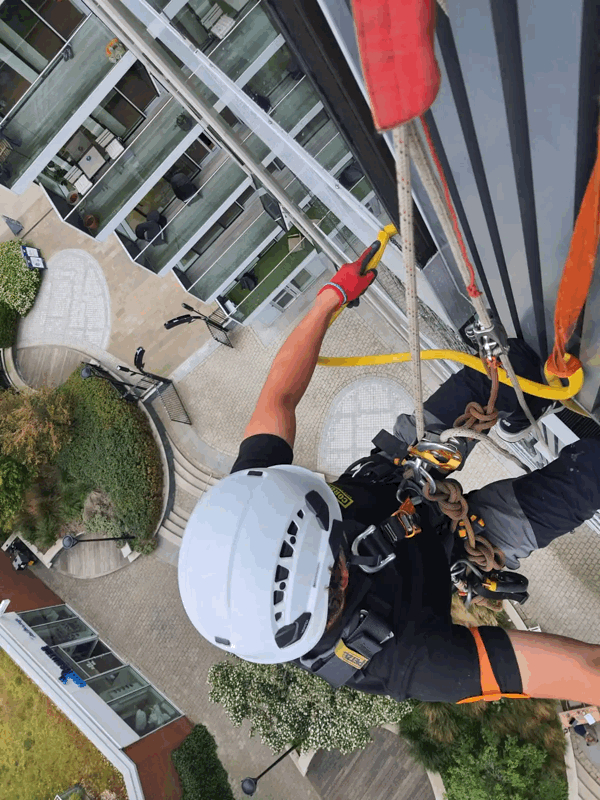
A common challenge for management is that the cause of a cladding issue is rarely visible from the ground. Professional guidance is usually required to translate visual observations into a technical understanding of cause. It is also important to recognise that determining the cause is an iterative process; initial desktop reviews of O&M (Operation and Maintenance) manuals may suggest one cause, while physical site inspections may reveal another.
Common Misunderstandings
A frequent misunderstanding in the industry is the conflation of "correlation" with "cause." For example, the presence of a specific cladding brand on a building that has experienced a fire does not automatically mean that the brand was the cause of the fire’s spread. The cause may instead lie in the lack of cavity barriers or the presence of other combustible materials within the wall assembly.
Another misconception is that the cause of a defect is always a single point of failure. In reality, many cladding issues result from a "latent period" where several minor deviations from best practice combine over time to produce a visible failure. Furthermore, there is often a misunderstanding regarding "proximate cause" in insurance contexts—the immediate reason for a loss—versus the "remote cause," which may be a design error dating back to the building's construction.
Related Technical Terminology
Professional reports often use a range of terms interchangeably with or in relation to "cause." Understanding these nuances ensures more accurate communication between stakeholders.
| Term | Relation to 'Cause' |
|---|---|
| Root Cause | The fundamental, primary driver of a failure that, if corrected, prevents recurrence. |
| Pathology | The study of the causes and effects of building defects. |
| Mechanism | The specific physical or chemical process (e.g., galvanic corrosion) by which a cause produces an effect. |
| Causal Link | The evidence-based connection between a specific action or material and the resulting damage. |
| Aggravating Factor | An element that is not the primary cause but increases the severity of the effect. |
In summary, the term "cause" serves as the bridge between observing a problem and implementing a technical solution. In the UK cladding industry, a precise identification of cause is the standard requirement for ensuring that remedial works are technically sound, regulatory compliant, and economically justifiable.