
How To Replace Pvc Cladding
Short answer
Polyvinyl Chloride (PVC) cladding is a ubiquitous material in the UK construction sector, particularly within the residential and commercial property markets. While valued for its initial cost-effectiveness and low maintenance requirements, PVC cladding…
Last updated
On this page
How To Replace Pvc Cladding
Polyvinyl Chloride (PVC) cladding is a ubiquitous material in the UK construction sector, particularly within the residential and commercial property markets. While valued for its initial cost-effectiveness and low maintenance requirements, PVC cladding systems are not immune to degradation, structural failure, or regulatory shifts. Understanding how to replace PVC cladding requires more than a simple aesthetic refresh; it necessitates a comprehensive look at the underlying external wall system (EWS), including insulation, cavity barriers, and substrate integrity.
Replacing these systems, especially on multi-storey or high-rise buildings, involves significant logistical planning and technical oversight. Whether the motivation is moisture ingress, physical impact damage, or the need to upgrade to non-combustible alternatives, a structured approach is vital. This guide outlines the professional methodology for assessing, removing, and replacing PVC cladding panels to ensure long-term building performance and compliance with current UK building regulations.
Key Takeaways
- Assessment is Critical: Before replacement, a professional inspection is required to determine if the issue is localized damage or a systemic failure of the external wall system.
- Regulatory Compliance: All replacement works must adhere to the latest UK Building Regulations, specifically regarding fire safety and thermal performance (Part B and Part L).
- Substrate Integrity: Removing PVC panels often reveals hidden issues, such as dampness or decayed timber battens, which must be remediated before new cladding is installed.
- Material Choice: While PVC is replaceable like-for-like, many property owners now opt for fibre cement or metal composite systems for improved durability and fire resistance.
- Professional Execution: High-rise projects require specialist access (scaffolding or mast climbers) and a clear sequence to minimize resident disruption.
What is PVC Cladding Replacement?
PVC cladding replacement is the process of removing existing cellular PVC-u (unplasticized polyvinyl chloride) planks or panels and installing a new exterior skin. This process typically includes the inspection and, if necessary, the renewal of the supporting subframe, breathable membranes, and thermal insulation. In the context of large-scale property management, this often falls under "façade remediation."
The core objective is to restore the building’s weatherproofing, aesthetic appeal, and thermal envelope. If you are wondering can you replace panels on plastic wall cladding without a full overhaul, the answer is generally yes, provided the surrounding system remains structurally sound and compliant with modern safety standards.
- Localised Repair: Replacing individual damaged planks caused by impact or localized heat warping.
- System Remediation: Updating specific components, such as cavity barriers, while retaining or replacing the outer skin.
- Full Recladding: The complete removal of the PVC system down to the masonry or steel frame substrate to install a modern, high-performance façade.
Identifying the Need for Replacement
Determining how to replace PVC cladding begins with identifying why the current system is failing. PVC is durable, but it is susceptible to environmental stressors and poor installation practices that manifest over decades. A professional Cladding Testing and inspection process is the first step in diagnosing these issues.
Physical and Environmental Damage
High-traffic areas or buildings in coastal regions often see physical degradation first. How to replace damaged PVC cladding becomes a priority when panels are cracked, allowing water to penetrate the building envelope. Cracking often occurs due to "thermal movement"—where panels expand and contract in the sun but have been pinned too tightly, causing them to split.
Discolouration and "chalking" are also common in older PVC installations. UV radiation breaks down the polymers in the plastic, leading to a brittle surface that is easily punctured. If the cladding has reached this state of brittleness, localized repairs are rarely cost-effective, as the surrounding panels are likely to break during the repair process.
Water Ingress and Substrate Decay
One of the most serious reasons for replacement is water ingress. If the joints between PVC planks have failed, or if the flashing details around windows are inadequate, water can become trapped behind the panels. This often leads to the rotting of timber support battens or the degradation of the insulation layer. In these scenarios, the cladding must be removed to treat the "hidden" damage within the wall cavity.
Common Indicators for Replacement:
- Visible warping or "snaking" of the cladding planks.
- Significant fading or brittle surfaces that crack upon touch.
- Evidence of damp or mould on internal walls.
- Panels becoming detached during high winds due to failed fixings.
- Non-compliance with updated fire safety guidance for buildings over 11 metres.
How to Replace PVC Cladding: The Technical Process
Replacing cladding on a large-scale residential block or commercial unit is a multi-stage engineering project. It requires a clear understanding of the original construction and a precise plan for the new installation. At CladdingTesting.com, we advocate for a "system-first" approach, ensuring the new façade is integrated perfectly with the building's existing structure.
Step 1: The Initial Survey and Testing
Before a single panel is removed, a specialist must conduct a survey. This involves checking the fixings, the type of insulation present, and the presence of cavity barriers. For high-rise buildings, this may involve "destructive testing," where small sections of cladding are removed to inspect the cavity. This allows us to determine which companies replace PVC cladding with the necessary technical rigor, rather than just offering a cosmetic fix.
Step 2: Access and Site Preparation
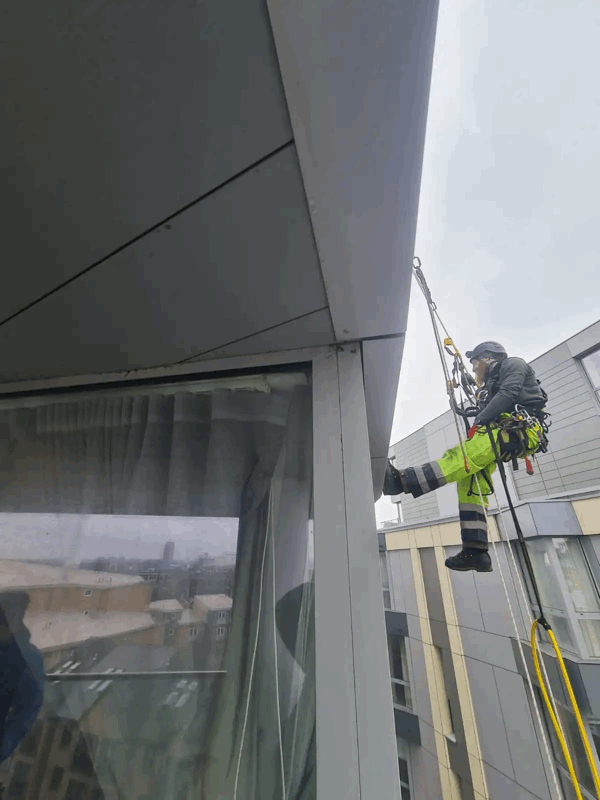
Access is often the most complex part of the project. For low-rise buildings, traditional tube-and-fit scaffolding may suffice. For high-rise assets, mast-climbing work platforms (MCWPs) or suspended cradles are often more efficient. Safety for residents and the public is paramount; exclusion zones and debris netting are standard requirements for any professional cladding replacement project.
Step 3: Controlled Demolition and Removal
Removing the old cladding must be done systematically. Simply "ripping" panels off can damage the underlying substrate or breathable membranes. Panels are typically unclipped or unscrewed starting from the top of the elevation and working downwards. During this phase, the old materials should be sorted for recycling, as PVC-u is highly recyclable within the UK construction waste stream.
Step 4: Substrate Inspection and Repair
Once the substrate is exposed, it must be thoroughly inspected. We look for:
1. Structural Integrity: Are the masonry or steel studs in good condition?
2. Batten Condition: If timber battens were used, are they free from rot? (Note: modern regulations often require a shift to metal subframes in specific building types).
3. Insulation Performance: Has the insulation slumped or become sodden?
4. Cavity Barriers: Are fire breaks correctly positioned at floor levels and around openings?
Step 5: Installation of the New System
Installation follows the manufacturer’s specific guidelines. This usually involves:
- Installing a new breathable, water-resistant membrane.
- Fixing the vertical or horizontal support rails (ensuring they are perfectly level).
- Fitting the new cladding panels, starting from the bottom and using the correct expansion gaps.
- Integrating specialized trims for corners, windows, and soffits to ensure a watertight finish.
Can You Replace Panels on Plastic Wall Cladding Individually?
Many property managers ask, "can you replace panels on plastic wall cladding?" The answer depends on the interlocking mechanism of the specific system. Most PVC cladding uses a tongue-and-groove or "shiplap" design. Because each panel hooks into the one below it, replacing a single mid-wall panel can be challenging without disturbing the panels above.
In cases of localized damage (e.g., a vehicle impact at ground level), a specialist can sometimes "zip" out a panel and retro-fit a replacement using specialized adhesive or hidden fixings. However, if the cladding is old and brittle, the surrounding "tongues" are likely to snap during this process. In such instances, a sectional replacement—where a larger area is renewed—is usually the more reliable solution.
Choosing the Right Replacement Material
When considering how to replace PVC cladding, you aren't limited to plastic. While modern PVC-u is significantly more advanced than 20-year-old products, many building owners take the opportunity to upgrade the material entirely. This is particularly relevant for buildings undergoing a major refurbishment or those looking to improve their EWS1 (External Wall System) rating.
Option 1: Modern PVC-u (Like-for-Like)
High-quality modern PVC is lead-free, UV-stabilized, and comes in various finishes, including wood-grain textures. It remains the most cost-effective option for low-rise residential properties where fire regulations do not mandate non-combustible materials.
Option 2: Fibre Cement Cladding
Fibre cement (a mix of cellulose fibre, cement, and sand) is a popular upgrade. It offers an A2 fire rating (limited combustibility), is immune to rot and insects, and has a significantly longer lifespan than plastic. It provides a similar aesthetic to timber or PVC shiplap but with much greater structural density.
Option 3: Aluminium or Metal Composites
For high-rise commercial or residential blocks, metal cladding is often the preferred choice. These systems are lightweight, durable, and can be powder-coated to any colour. When replacing PVC with metal, the support structure usually needs to be upgraded to a metal railing system to handle the different expansion rates and weight.
Material Comparison Table
| Feature | PVC-u Cladding | Fibre Cement | Aluminium |
|---|---|---|---|
| Cost | Low | Medium | High |
| Fire Rating | Class D/E (Typical) | Class A2-s1, d0 | Class A1/A2 |
| Lifespan | 20–25 Years | 50+ Years | 40+ Years |
| Maintenance | Low (Wipe clean) | Very Low | Low (Periodic wash) |
How To Replace Pvc Cladding
Regulatory Considerations in the UK
The regulatory landscape for external walls in the UK has changed dramatically over the last few years. Any project addressing how to replace PVC cladding must comply with the Building Safety Act 2022 and the updated Approved Document B.
For buildings over 11 metres in height, there are strict limitations on the use of combustible materials in the external wall. While PVC-u is often permitted on lower-rise buildings, its use on taller structures is heavily restricted. Furthermore, any replacement project is an "alteration" under Building Regulations, meaning the thermal insulation must often be upgraded to meet Approved Document L (Conservation of Fuel and Power) standards.
Failing to comply with these regulations doesn't just present a safety risk; it can make a property unmortgageable and legally unsellable. This is why professional oversight from a firm like CladdingTesting.com is essential for navigating the complexities of compliance, especially when dealing with managing agents and housing associations.
Which Companies Replace PVC Cladding?
When searching for which companies replace PVC cladding, it is important to distinguish between general building contractors and façade specialists. A general builder may be capable of replacing cladding on a single-family home, but larger multi-occupancy buildings require a higher level of expertise.
A specialist cladding contractor offers several advantages:
1. Technical Design: They can provide wind-load calculations and ensure the new system meets thermal and fire safety requirements.
2. Access Expertise: They are experienced in managing complex access solutions like mast climbers or specialist scaffolding.
3. Resident Liaison: For occupied apartment blocks, they manage the logistics of working around residents to minimize disruption.
4. Warranty Support: Professional firms provide insurance-backed guarantees and manufacturer-approved installations.
At CladdingTesting.com, we work as a bridge between the problem and the solution. We identify the specific failures in your current PVC system and manage the transition to a new, compliant, and durable façade. Our focus is on long-term performance rather than a quick cosmetic fix.
Challenges in Replacing Cladding on Occupied Buildings
Replacing the façade of a building while people are living or working inside presents unique challenges. Unlike new-build projects, remediation work must account for the daily lives of the occupants. Noise, dust, and privacy are major concerns that must be addressed in the project’s RAMS (Risk Assessments and Method Statements).
Managing Noise and Vibration
Removing old fixings and drilling new ones into the substrate generates noise that travels through the building’s structure. We manage this through "noisy work windows," ensuring that the most disruptive activities take place at times that minimize impact on residents. Clear communication via weekly updates or resident portals is standard practice.
Maintaining Building Security and Privacy
Scaffolding can present a security risk to lower-floor windows. Professional installers use alarmed scaffolding, physical barriers, and 24/7 monitoring where necessary. Furthermore, since workers are often operating at window level, we provide residents with clear schedules so they can manage their privacy (e.g., closing blinds) during working hours.
Logistics and Waste Management
In urban environments, space for skips and material storage is often limited. A "just-in-time" delivery model is usually required, where new cladding arrives as the old cladding is removed. This prevents the site from becoming cluttered and maintains fire escape routes for the building’s occupants.
The Cost of Replacing PVC Cladding
The cost of replacing PVC cladding varies significantly based on the height of the building, the choice of replacement material, and the condition of the underlying structure. It is not just the cost of the panels themselves; the "preliminary" costs—scaffolding, permits, and professional fees—often make up a significant portion of the budget.
Factors Influencing Total Cost:
- Access Requirements: Scaffolding for a 10-storey building can cost tens of thousands of pounds before work even begins.
- Substrate Remediation: If the timber battens behind the PVC are rotten, the cost increases as these must be replaced with treated timber or metal.
- Insulation Upgrades: Upgrading to high-performance mineral wool insulation adds to the material costs but provides long-term energy savings.
- Waste Disposal: Professional disposal and recycling of old PVC panels incur landfill taxes and haulage fees.
For a realistic estimate, a building owner should request a detailed "Schedule of Rates" that breaks down these components. This ensures transparency and prevents "hidden extras" from appearing once the old cladding is removed and the true state of the wall is revealed.
Common Mistakes in PVC Cladding Replacement
Even with the best intentions, cladding projects can go wrong if they aren't managed by specialists. One of the most common mistakes is ignoring the ventilation gap. PVC and other cladding systems require a "rainscreen" principle, where a small air gap behind the panels allows moisture to evaporate. Blocking this gap with insulation or incorrect trims leads to dampness and structural rot.
Another frequent error is incorrect fixing. PVC expands and contracts significantly with temperature changes. If the nails or screws are driven too tightly into the center of the fixing slots, the panels will buckle and warp during the first summer. Professional installers know to leave a "dime's width" between the screw head and the panel to allow for movement.
Finally, many fail to address the fire cavity barriers. When replacing cladding, it is the perfect (and often legally required) time to ensure that fire breaks are correctly installed to prevent the spread of flame through the wall cavity. Skipping this step is a major liability for building owners.
Step-by-Step Replacement Checklist for Building Managers
If you are responsible for a property requiring façade work, follow this high-level checklist to ensure the project stays on track:
- Commission a Condition Report: Have a specialist inspect the current cladding to identify the root cause of the damage.
- Check Compliance: Determine if the current height of the building necessitates a change in material type (e.g., moving from PVC to Fibre Cement).
- Procure a Detailed Specification: Do not just ask for "new cladding." Get a professional to specify the subframe, membrane, insulation, and panels.
- Tender to Specialists: Invite experienced cladding companies to bid on the project, ensuring they have the relevant insurance and health and safety credentials.
- Notify Occupants: Begin the resident liaison process early to manage expectations regarding noise and access.
- Monitor Quality: Ensure a clerk of works or façade consultant carries out periodic inspections during the installation phase.
Frequently Asked Questions
How long does it take to replace PVC cladding on a medium-sized block?
For a typical 3 to 4-storey residential block, the process usually takes between 4 to 8 weeks, depending on weather conditions and the extent of substrate repairs needed. The setup of scaffolding takes the first week, followed by a phased removal and installation approach.
Can you replace damaged PVC cladding during the winter?
Yes, cladding can be replaced year-round. However, extreme cold can make PVC panels more brittle during the cutting process, and high winds may halt work on scaffolding for safety reasons. A professional contractor will monitor weather forecasts to plan sensitive tasks like membrane installation.
Does replacing cladding require planning permission?
In many cases, if you are replacing the cladding with a material of a similar appearance, it may fall under "Permitted Development." However, for high-rise buildings, flats, or buildings in conservation areas, you almost always need to consult the local planning authority. Furthermore, a Building Regulations application is mandatory.
Is modern PVC cladding fire-safe?
Standard PVC-u is combustible, but it does not generally support combustion once the flame source is removed. However, for buildings over 11 or 18 metres (depending on specific UK regional regulations), non-combustible materials like A1 or A2-rated aluminium or fibre cement are usually required by law.
What happens to the old cladding after removal?
Reputable contractors will ensure the old PVC-u is sent to a specialized recycling facility. The plastic is shredded, cleaned, and pelletized to be used in the manufacturing of new construction products, such as window profiles or underground piping.
How do I know if the timber battens need replacing?
During the removal of the old panels, the battens are inspected for soft spots, discoloration, or fungal growth. If the timber has a moisture content above 20%, or shows signs of "wet rot," it must be replaced with new pressure-treated timber or, ideally, upgraded to a non-combustible metal framing system.
Replacing PVC cladding is a significant undertaking that requires technical precision and a clear understanding of building science. By following a structured approach—from initial testing to compliant installation—building owners can protect their assets, ensure occupant safety, and enhance the longevity of the property envelope. If you are dealing with deteriorating or non-compliant cladding, the first step is always a professional assessment to determine the most effective route forward.
How To Replace Pvc Cladding