
hotel cladding remediation
Hotel Cladding Remediation
Hotel cladding remediation is the systematic process of investigating, repairing, or replacing external wall systems on hotel buildings to ensure they meet modern fire safety standards, thermal requirements, and structural integrity. In the UK, this often involves the removal of non-compliant materials such as Aluminium Composite Material (ACM) or High-Pressure Laminate (HPL) and the installation of tested, non-combustible alternatives.
On this page
11 min read
Last updated
Hotel Cladding Remediation
Hotel cladding remediation is the systematic process of investigating, repairing, or replacing external wall systems on hotel buildings to ensure they meet modern fire safety standards, thermal requirements, and structural integrity. In the UK, this often involves the removal of non-compliant materials such as Aluminium Composite Material (ACM) or High-Pressure Laminate (HPL) and the installation of tested, non-combustible alternatives.
For hotel owners and operators, the process is not merely a matter of compliance; it is a critical operational challenge. Managing a hotel recladding project requires a precise balance between life safety requirements, maintaining guest experience, and minimising the significant financial impact of room voids or temporary closures.
Key Takeaways
- Safety First: The primary driver for remediation is ensuring the external wall system limits the spread of fire and meets current Building Regulations.
- Phased Delivery: Most projects on occupied hotels are delivered in phases to keep as many rooms operational as possible.
- Beyond Replacement: Remediation does not always mean full replacement; it may involve targeted repairs to cavity barriers or insulation.
- Regulatory Pressure: Compliance with the Building Safety Act 2022 and Fire Safety Act 2021 is mandatory for high-rise hotel structures.
- Technical Investigation: A professional cladding testing programme is the only way to determine the actual composition of the façade.
- Value Protection: Completing remediation is essential for maintaining the asset value and insurability of the property.
The Current Landscape of Hotel Façade Safety
The UK hospitality sector faces a unique set of challenges regarding the building envelope. Many hotel chains and independent boutique hotels occupy buildings constructed or refurbished during the early 2000s, an era when various combustible cladding systems were widely used.
Following changes to Approved Document B and the introduction of the Building Safety Act, the threshold for what is considered a "safe" façade has shifted significantly. Hotel facade remediation is now a priority for stakeholders who must demonstrate that their buildings do not pose an undue risk to life safety.
Unlike residential blocks, hotels have high occupant turnover and guests who are often unfamiliar with the building’s layout. This makes the performance of the hotel external wall remediation even more critical, as the "stay put" advice often used in residential settings is rarely applicable in a hotel environment.
Identifying the Need for Remediation
The need for hotel cladding replacement or repair usually stems from one of three triggers: a fire risk assessment, a pre-planned refurbishment, or a failure in the building’s performance, such as water ingress.
It is a common misconception that all modern-looking panels are dangerous. Conversely, many façades that appear safe on the surface may have hidden defects within the cavity, such as missing fire breaks or incorrectly installed mineral wool insulation.
At CladdingTesting.com, we advocate for a "discovery first" approach. We utilise intrusive inspections—opening up the "make-up" of the wall—to see exactly what lies behind the rainscreen. This avoids the unnecessary expense of a full reclad if the issues are localised.
Common Defects Found in Hotel Cladding
- Combustible Cores: PE-cored ACM panels or certain HPL products that facilitate rapid flame spread.
- Inadequate Cavity Barriers: Missing or poorly fitted barriers that fail to "close" the gap behind the cladding in the event of a fire.
- System Degradation: Corroded sub-frames, loose fixings, or panels that have become delaminated over time.
- Moisture Management Issues: Trapped water causing rot in timber-framed hotels or compromising the thermal efficiency of insulation.
The Investigation Process: From Testing to Strategy
Before any physical hotel cladding remediation begins, a rigorous technical assessment is required. This process moves from broad visual surveys to granular lab testing of materials.
We typically start with a site-wide visual inspection to identify obvious signs of distress or known hazardous materials. This is followed by a series of "opening up" works, where small sections of the cladding are removed to inspect the internal components.
The data gathered during these inspections is vital. It informs the fire engineer’s report and allows the building owner to decide whether they need a localized hotel cladding replacement or a more comprehensive intervention.
Strategic Options: Repair, Remediate, or Reclad?
Every hotel building is unique. A "one-size-fits-all" approach to hotel recladding often leads to wasted capital and unnecessary operational downtime. We categorise interventions into three levels:
1. Targeted Repairs
If the cladding panels themselves are compliant but the installation is faulty, repairs may be sufficient. This could involve replacing missing screws, resealing joints, or retrofitting cavity barriers through small access points.
2. Façade Remediation
Hotel facade remediation is often the middle ground. It involves replacing specific elements of the wall system—such as combustible insulation—while potentially retaining the outer rainscreen panels if they are found to be safe and in good condition.
3. Complete Recladding
In cases where the entire system is non-compliant (e.g., ACM Category 3), a full hotel external wall remediation is necessary. This involves stripping the building back to the substrate and installing a completely new, A1 or A2-s1, d0 rated system.
Managing Operations During Remediation
One of the greatest fears for a hotelier is the "closed for business" sign. Hotel cladding remediation projects are complex because they often take place while the building remains partially or fully occupied.
Effective project management focuses on "vertical stacking" or "horizontal phasing." By working on one elevation at a time, hotels can keep rooms on the opposite side of the building open to guests, preserving revenue streams.
Noise, dust, and vibration are the primary enemies of guest satisfaction. Remediation teams must work within strict hours, often pausing during peak check-in/check-out times, and using acoustic screening to shield occupied floors from the worst of the construction noise.
Logistics and Access Challenges
High-rise hotels present specific logistical hurdles. In city centres, space for scaffolding or mast climbers is often non-existent.
- Mast Climbers: These provide a stable platform for heavy material handling but require significant ground-level footprint.
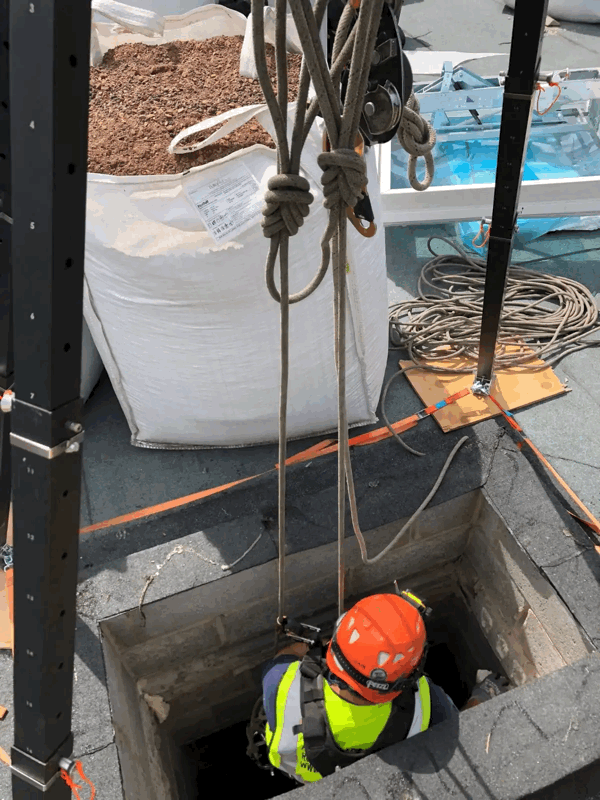
- Rope Access: Useful for inspections and minor repairs, but rarely practical for full hotel cladding replacement due to the weight of modern non-combustible panels.
- Scaffolding: Offers the best access for large teams but can impact the hotel's aesthetic and security for several months.
- Cranage: Often required for moving large volumes of new insulation and cladding panels to upper floors in restricted urban sites.
Regulatory Compliance and Legal Obligations
The legal landscape for hotel cladding remediation has tightened significantly. The Regulatory Reform (Fire Safety) Order 2005, recently updated, places the burden of proof on the "Responsible Person" to demonstrate that the external walls are safe.
Failure to act on a known cladding defect can result in enforcement notices from the Fire and Rescue Service, which can lead to the forced closure of the hotel. Furthermore, insurers are increasingly refusing to provide cover for buildings with un-remediated combustible cladding.
By engaging in a structured hotel recladding programme, owners can satisfy these regulatory requirements and provide the necessary certification to insurers, lenders, and future purchasers.
Cost Considerations and Funding
The cost of hotel external wall remediation varies wildly based on the building’s height, the choice of replacement material, and the complexity of the existing substrate.
Unlike residential buildings, which may have access to the Building Safety Fund, commercial hotels usually have to self-fund remediation. However, some developers may be liable for the costs if the building was constructed with defects that breached the regulations in place at the time of construction.
Investing in a detailed cladding testing report early in the process can save significant sums by preventing the over-specification of materials and ensuring the scope of work is no larger than it needs to be.
Technical Specifications for Replacement Materials
When a hotel cladding replacement is deemed necessary, the choice of materials is governed by stringent fire performance criteria. In the UK, materials used in the external walls of "relevant buildings" over 18 metres must generally be non-combustible.
Preferred Materials for Hotel Recladding:
Hotel Cladding Remediation
- Solid Aluminium: Pre-finished or powder-coated solid panels offer excellent fire performance and durability.
- Stone or Terracotta: Provides a premium aesthetic often required for high-end hotel brands, with natural non-combustible properties.
- Mineral Wool Insulation: Replacing combustible foam boards with non-combustible rock wool is a standard part of remediation.
- A1-Rated Render Systems: For hotels with an existing rendered finish, switching to through-colour mineral renders can ensure compliance.
The Importance of Interface Details
A common failure point in hotel facade remediation is the "interface"—where the cladding meets windows, doors, or roofing systems.
If these junctions are not handled correctly, the building may suffer from thermal bridging (leading to condensation and mould) or water ingress. During a hotel recladding project, every window reveal and parapet must be carefully detailed to ensure the new system is both airtight and watertight.
Furthermore, hotels often have complex signage and external lighting integrated into the façade. These elements must be safely removed and reinstalled, ensuring that the penetrations made for wiring do not compromise the fire integrity of the new wall system.
Impact on Asset Value and Insurance
A hotel with a "Category 3" ACM rating is essentially unmarketable in the current UK climate. Institutional investors and REITS (Real Estate Investment Trusts) require clear EWS1 forms or equivalent safety certifications before proceeding with acquisitions.
Hotel cladding remediation should be viewed as an investment in the asset's longevity. Once the works are completed and certified, the building's risk profile drops, often leading to lower insurance premiums and a significant increase in the property's valuation.
Prospective buyers will look for a comprehensive "Golden Thread" of information, documenting every stage of the hotel recladding, from the initial testing to the final building control sign-off.
Environmental and Thermal Upgrades
Remediation offers a rare opportunity to improve the building’s environmental performance. When stripping off old cladding, there is an opportunity to increase the thickness or quality of the insulation.
For many older hotels, hotel facade remediation can lead to a significant jump in their EPC (Energy Performance Certificate) rating. This reduces operational energy costs—a major overhead for hotels—and aligns the building with modern ESG (Environmental, Social, and Governance) targets.
Risk Management During Construction
Construction sites are inherently risky, but a hotel external wall remediation site is doubly so because of the proximity to the public and guests.
Fire safety during the works is paramount. When the building's protective "skin" is removed, it is temporarily more vulnerable. We implement strict "hot work" permits and ensure that temporary fire alarms are extended to the scaffolding and work areas.
Security is another concern. Scaffolding can provide an easy route for unauthorised access to guest rooms. High-security fencing, alarm sensors on the scaffolding, and 24/7 site monitoring are standard requirements for any hotel recladding project.
The Role of the Façade Consultant
Navigating hotel cladding remediation requires a multidisciplinary team. A façade specialist acts as the bridge between the hotel owner, the fire engineer, and the contractor.
At CladdingTesting.com, our role is to provide the technical clarity needed to make informed decisions. We don't just identify that a panel is "bad"; we explain why, what the risks are, and what the most cost-effective, compliant solution looks like.
We also assist in the procurement process, ensuring that the hotel cladding replacement is tendered to contractors with specific experience in high-rise, occupied environments.
Case Study Scenarios in Hotel Remediation
Scenario A: The Urban High-Rise
A 20-storey city centre hotel found to have HPL panels on its top four floors. The hotel cladding remediation strategy involved using mast climbers at night to minimise noise for guests, replacing the panels with A1-rated solid aluminium.
Scenario B: The Boutique Conversion
An old warehouse converted into a hotel with significant internal timber framing and a modern rainscreen. The hotel facade remediation focused on installing missing vertical and horizontal cavity barriers to protect the structural timber from potential external fire spread.
Future-Proofing Hotel Buildings
The standards for building safety are not static. What is acceptable today may be viewed differently in ten years. When undertaking hotel recladding, we advise clients to aim for the highest possible standard (A1 non-combustible) rather than just meeting the minimum legal requirement.
This "future-proofing" ensures that the building remains compliant even if regulations tighten further, avoiding the need for a second round of hotel cladding remediation in the future.
Frequently Asked Questions
Does all hotel cladding need to be replaced?
No. Not all cladding is dangerous. The requirement for hotel cladding replacement depends on the material composition, the height of the building, and how the system was installed. A professional inspection will determine if simple repairs or remediation of cavity barriers are sufficient.
Can the hotel stay open during recladding?
Yes, in the majority of cases. Hotel recladding is typically phased. By managing the schedule and using specific access methods, we can ensure the hotel remains operational, though some room voids are usually necessary for safety near active work zones.
How long does hotel cladding remediation take?
A medium-sized hotel external wall remediation project can take anywhere from 6 to 18 months. The timeline depends heavily on the building's size, the extent of the defects found, and the local planning or access restrictions.
Who is responsible for the cost of hotel recladding?
The building owner or the party with "repairing obligations" under the lease is generally responsible. However, costs may be recoverable from original developers or through insurance claims if it can be proven the building was non-compliant at the time of construction.
What is the difference between remediation and recladding?
Remediation is a broad term for "fixing" the problem, which could mean replacing insulation or fire breaks while keeping the outer panels. Hotel recladding specifically refers to the full removal of the existing outer skin and its replacement with a new system.
How does remediation affect hotel insurance?
Initially, discovering defects may increase premiums. However, once a hotel facade remediation project is completed and signed off, insurance companies generally view the building as a much lower risk, which can lead to improved terms and lower premiums.
What are the signs that my hotel cladding might be defective?
Signs include visible warping of panels, water staining on interior walls, panels that rattle in high winds, or gaps in the façade where seals have failed. However, the most dangerous defects—like combustible cores—are often invisible to the naked eye and require technical cladding testing.
Next Steps for Hotel Property Professionals
If you are responsible for a hotel property and have concerns about the external wall system, the first step is always information gathering. Avoid making assumptions based on the building's age or appearance.
Begin by reviewing the original O&M (Operation and Maintenance) manuals to identify the materials specified. If this information is missing or unreliable, contact CladdingTesting.com to arrange a professional inspection.
Our team will provide a clear, technical assessment of your building’s condition and help you develop a hotel cladding remediation strategy that protects your guests, your brand, and your investment.
Hotel Cladding Remediation