
zinc cladding remediation
Zinc Cladding Remediation
Zinc cladding remediation is the technical process of identifying, managing, and resolving defects in zinc-based facade systems. This work typically involves structural inspections, moisture analysis, and the repair or replacement of non-compliant components. Effective remediation ensures that the external wall system meets modern fire safety standards, provides weather protection, and maintains the building’s aesthetic integrity.
Independent
UK-wide coverage
Survey options
Clear reporting
On this page
Book a zinc cladding remediation survey
Zinc cladding remediation is the technical process of identifying, managing, and resolving defects in zinc-based facade systems. This work typically involves structural inspections, moisture analysis, and the repair or replacement of non-compliant components. Effective remediation ensures that the external wall system meets modern fire safety standards, provides weather protection, and maintains the building’s aesthetic integrity.
Key Takeaways
- Systematic Investigation: Successful remediation begins with a detailed forensic assessment of the standing seam or shingle system to identify root causes of failure.
- Compliance and Safety: All works must adhere to the Building Safety Act 2022 and current Fire Safety Regulations (Approved Document B).
- Moisture Management: Zinc requires specific ventilation; remediation often focuses on correcting poor airflow that leads to underside corrosion.
- Repair vs. Replacement: Localised repairs are viable for minor damage, but systemic failures usually necessitate a full zinc cladding replacement.
- Logistical Planning: High-rise projects require specialist access solutions (mast climbers or cradle systems) to minimise disruption to occupants.
Understanding Zinc Facade Failure
Zinc is a highly durable material, often chosen for its longevity and natural patina. However, when installed incorrectly or used in an inappropriate wall buildup, it can fail prematurely. Understanding why a system has failed is the first step toward effective zinc cladding remediation.
Common Causes of Deterioration
Unlike other metals, zinc is susceptible to "white rust" or underside corrosion if moisture becomes trapped behind the panels. This often occurs when the ventilated cavity is blocked or insufficient. In many UK high-rise buildings, we find that the original design did not account for adequate airflow, leading to structural thinning of the metal from the inside out.
Mechanical damage is another frequent issue. High winds can cause "oil canning" or rattling if the clips and fixings are spaced too far apart. Over time, this stress leads to fatigue in the standing seams, potentially compromising the building’s water-tightness. Specialist cladding testing is essential to determine if the metal itself is still structurally sound.
Regulatory Compliance and Fire Safety
In the current UK regulatory climate, remediation is often driven by fire safety requirements rather than just material wear. While zinc itself is non-combustible (A1/A2 rated), the system behind it—including insulation, cavity barriers, and timber grounds—may not meet modern standards. Remediation involves ensuring the entire external wall system (EWS) is compliant with current legislation.
Diagnostic Procedures for Zinc Systems
Before any physical work begins, a professional assessment is required to map the extent of the defects. We do not recommend a "one size fits all" approach; instead, we focus on evidence-based diagnostics.
Intrusive Surveys and Inspections
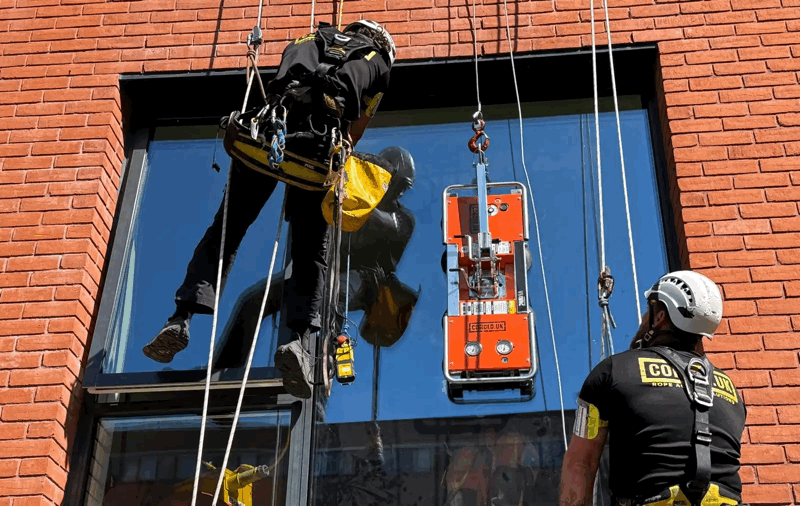
A visual inspection from the ground is rarely sufficient. Our teams use drones and high-level access to perform close-up examinations. Intrusive surveys involve removing small sections of the zinc to inspect the substrate, the presence of cavity barriers, and the condition of the insulation.
- Borescope Inspections: Allows us to see behind the panels with minimal disruption.
- Moisture Meter Testing: Identifying damp spots in the breather membrane or plywood backing.
- Pull-out Tests: Checking the integrity of the clips and fixings against wind-load specifications.
Technical Assessment of the Build-up
We evaluate whether the original installation followed the "warm roof" or "cold roof" principle correctly. In many cases of zinc facade repair, we find that the lack of a structured underlay or drainage mat has caused the zinc to bond to the substrate, preventing the natural movement required for thermal expansion.
Options for Zinc Cladding Remediation
Once the data is collected, building owners must choose a path forward. The decision typically rests on the severity of the findings, the height of the building, and the long-term financial viability of the repair.
Localised Zinc Facade Repair
If the issues are isolated—such as a few damaged panels or failed sealants around window interfaces—targeted repairs are the most cost-effective solution. This involves carefully de-seaming the affected area, replacing the panels with matching pre-weathered zinc, and reinstating the flashings. This is often suitable for lower-rise commercial buildings where the systemic risk is low.
Zinc Cladding Refurbishment
Zinc cladding refurbishment sits between minor repair and full replacement. This approach is often taken when the zinc panels are in good condition, but the internal components need upgrading. We might remove sections of the cladding to install missing fire breaks or replace non-compliant insulation, before re-installing the original zinc panels using new, compliant fixings.
Complete Zinc Cladding Replacement
In cases where the zinc has suffered significant underside corrosion or the entire wall system is deemed a fire risk, a full zinc cladding replacement is necessary. This involves a total strip-back to the structural frame or masonry. It allows for the installation of a modern, fully compliant rainscreen system that meets all current U-value and fire safety requirements.
The Challenges of Remediation on Occupied High-Rises
Remediating a high-rise residential block presents unique logistical hurdles. Unlike new-build projects, we must manage the safety and comfort of residents who remain in the building throughout the works.
Access and Logistics
Scaffolding is the traditional choice, but for many zinc rainscreen replacement projects, mast-climbing work platforms (MCWPs) are more efficient. They offer better security, less light obstruction for residents, and faster deployment. We carefully plan the sequencing of the works to ensure that no part of the building is left exposed to the elements for longer than necessary.
Noise and Disruption Management
Working with metal involves cutting, de-seaming, and mechanical fixing, all of which generate noise. We implement strict working hour windows and use acoustic shielding where possible. Communicating with managing agents and resident associations is a core part of our project management strategy to ensure everyone is aware of the timeline.
Technical Specifications and Materials
When undertaking zinc cladding remediation, material selection is critical. Zinc comes in various finishes—natural, pre-patinated, and pigmento. Matching new panels to an existing facade requires an understanding of how zinc ages over time.
Substrate Requirements
Modern remediation standards often move away from timber substrates in favour of non-combustible metal top hats and rails. If the original system used plywood, we often replace it with A1-rated magnesium oxide boards or similar non-combustible alternatives to ensure the building meets the highest safety classifications.
Breathability and Ventilation
A key failure point in older zinc systems is the lack of a 25mm to 50mm clear ventilated cavity. During zinc facade repair, we ensure that air intake at the base of the wall and exhaust at the top or at window heads are clear and unobstructed. This prevents the build-up of interstitial condensation, which is the primary enemy of zinc longevity.
Financial and Insurance Considerations
For many property professionals, the cost of remediation is a significant concern. However, failing to address known defects can lead to increased insurance premiums or the inability to secure a mortgage (EWS1 issues).
Impact on Property Value
A building with a documented history of professional zinc cladding remediation is far more attractive to lenders and buyers. By providing a clear "Golden Thread" of information—from initial survey to final certification—we help building owners protect their assets and ensure the long-term marketability of the property.
Funding and Grants
In the UK, some remediation projects may be eligible for government funding, such as the Building Safety Fund (BSF). Our technical reports are designed to provide the rigorous evidence required for such applications, detailing exactly why the work is necessary for life safety and compliance.
Book a zinc cladding remediation survey
The Remediation Process: Step-by-Step
At CladdingTesting.com, we follow a structured methodology to ensure no detail is overlooked. Remediation is a complex engineering task that requires precision at every stage.
- Initial Consultation: Reviewing O&M manuals and previous fire risk assessments (FRAEAs).
- Site Investigation: Conducting intrusive tests to confirm the existing wall build-up.
- Design and Specification: Working with architects and fire engineers to design a compliant replacement or repair strategy.
- Site Mobilisation: Installing access equipment and establishing site welfare facilities.
- Strip-out: Carefully removing existing zinc panels and disposing of non-compliant materials.
- Installation: Fitting new insulation, cavity barriers, and the zinc rainscreen system.
- Quality Assurance: Regular inspections throughout the build to ensure the design is followed exactly.
- Handover: Providing final certification and updated building manuals.
Advanced Considerations in Zinc Remediation
For seasoned property professionals, understanding the finer technical details of zinc can prevent future maintenance headaches. One such detail is the management of galvanic corrosion. Zinc should not come into contact with certain other metals, such as copper or mild steel, nor should it be placed where water runoff from these metals can reach it.
Galvanic Compatibility
During a zinc cladding replacement, we ensure that all fixings are stainless steel (usually Grade 304 or 316). We also check that the flashings and gutters are compatible. If the building has copper piping or roofing nearby, the remediation plan must include measures to prevent runoff from reaching the new zinc facade.
Thermal Movement
Zinc has a high coefficient of thermal expansion. Panels can move significantly between a cold winter night and a direct-sun summer afternoon. If the remediation doesn't account for this—by using a mix of fixed and sliding clips—the panels will buckle or tear at the seams. Our installation teams are experts in the specific geometry required for standing seam systems.
Environmental Benefits of Zinc Remediation
While the primary driver for remediation is often safety or structural integrity, there are significant environmental advantages to choosing zinc. It is 100% recyclable, and the energy required to produce zinc is lower than that of many other architectural metals.
When we undertake zinc cladding refurbishment, we aim to reuse as much of the original material as possible. If a full replacement is required, the old zinc panels are sent to specialist metal recyclers, ensuring that the remediation project has a lower environmental footprint than using entirely new synthetic materials.
Identifying the Need for Zinc Rainscreen Replacement
How do you know when simple repairs are no longer enough? There are several "red flags" that indicate a systemic failure requiring a full zinc rainscreen replacement.
- Widespread "Pitting": Small holes appearing on the surface of the zinc, indicating advanced underside corrosion.
- Systemic Fire Safety Failure: When the insulation or cavity barriers are found to be non-compliant across the entire building.
- Structural Movement: If the building's primary structure has shifted, causing the zinc seams to open up globally.
- Water Ingress: Multiple leaks that cannot be traced to a single source, suggesting a failure of the breather membrane or flashing system.
In these scenarios, patching the problem is a temporary fix that often costs more in the long run. A planned replacement program allows for a modern, warrantied system to be installed, providing peace of mind for the next 50+ years.
Working with Multidisciplinary Teams
Large-scale zinc cladding remediation rarely happens in a vacuum. We frequently collaborate with a range of professionals to ensure the project meets all legal and technical benchmarks.
We work alongside Fire Engineers to verify that the proposed cavity barrier layout will effectively stop the spread of flame. We coordinate with Structural Engineers to ensure the existing building frame can support the weight of a new cladding system, especially if we are moving from a lightweight system to a more robust zinc build-up. Finally, we provide Building Control with the necessary documentation to sign off the works as compliant with the latest Building Regulations.
Case Scenarios: Repair vs. Replace
To help managing agents decide on the best course of action, let's look at two common scenarios we encounter.
Scenario A: The Commercial Low-Rise
A three-storey office building has suffered impact damage at the ground floor and some minor oxidation near the roofline. Upon inspection, the cavity barriers are present and the insulation is non-combustible. In this case, zinc facade repair is the logical choice. We replace the damaged lower panels and clean/treat the upper sections, saving the client significant capital expenditure.
Scenario B: The Residential Tower Block
A ten-storey apartment block is found to have combustible timber grounds behind the zinc cladding and no cavity barriers at floor levels. Furthermore, the zinc shows signs of thinning due to poor ventilation. Here, zinc cladding replacement is the only viable option to ensure resident safety and meet the requirements of the Building Safety Act. The project involves a full strip-back and the installation of a new, A1-rated sub-frame and zinc skin.
Frequently Asked Questions
How long does zinc cladding remediation typically take?
The timeline varies significantly based on the building's height and the scope of work. A localized zinc facade repair might take a few weeks, whereas a full zinc cladding replacement on a high-rise tower can take 6 to 18 months, including the design and mobilisation phases.
Do I need an EWS1 form after remediation?
For residential buildings over 11 metres (or those with specific risk factors), a new EWS1 assessment is usually required following major remediation. Our works are designed to ensure that the building can achieve a successful rating, facilitating sales and re-mortgaging.
Can you match the colour of my existing zinc?
Zinc develops a natural patina over time. When performing a zinc cladding refurbishment, we use pre-weathered zinc that closely matches the current shade of your building. While a perfect match is difficult due to natural weathering, the new panels will eventually blend in as they age.
Is zinc cladding fireproof?
Zinc itself is a non-combustible metal with a high melting point. However, the "fire safety" of a building depends on the entire wall system, including the insulation, membranes, and cavity barriers. Remediation focuses on making the entire system safe, not just the outer metal skin.
Will residents have to move out during the works?
In the vast majority of cases, zinc cladding remediation can be carried out while the building is occupied. We use external access methods like mast climbers to keep internal disruption to a minimum. We also implement strict safety protocols to protect residents from debris and noise.
What is the typical cost of zinc cladding replacement?
Costs are highly project-specific and depend on access requirements, the depth of the wall buildup, and current metal market prices. We provide detailed, transparent quotations following an initial site investigation and technical assessment.
Taking the Next Step
If you are responsible for a building with zinc cladding and have concerns about its condition, safety, or compliance, the first step is professional consultation. Avoid the temptation to commission quick fixes without a full understanding of the underlying issues.
At CladdingTesting.com, we provide the technical expertise needed to navigate the complexities of facade remediation. Whether you need a simple repair or a comprehensive replacement programme, our focus remains on safety, quality, and long-term performance. Contact our team today to discuss your building’s requirements and schedule a technical inspection.
Book a zinc cladding remediation survey
What it costs
Pricing depends on building height, access and scope
Reviews
What clients say
Verified 5-star Google reviews from building owners, managing agents and contractors.