
golden thread cladding remediation
Golden Thread Cladding Remediation
Golden thread cladding remediation is the process of restoring or replacing a building’s external wall system while maintaining a continuous, digital record of every decision, material, and installation detail. In the UK, this is now a statutory requirement under the Building Safety Act 2022, ensuring that safety-critical information is accessible throughout the lifecycle of high-rise buildings. It transforms cladding projects from simple construction works into transparent, audited safety programmes.
On this page
10 min read
Last updated
Golden Thread Cladding Remediation
Golden thread cladding remediation is the process of restoring or replacing a building’s external wall system while maintaining a continuous, digital record of every decision, material, and installation detail. In the UK, this is now a statutory requirement under the Building Safety Act 2022, ensuring that safety-critical information is accessible throughout the lifecycle of high-rise buildings. It transforms cladding projects from simple construction works into transparent, audited safety programmes.
Key Takeaways
- Regulatory Compliance: The golden thread is a legal necessity for Higher-Risk Buildings (HRBs) over 18 metres or seven storeys.
- Digital Accuracy: Success relies on a cladding remediation audit trail that tracks materials from specification to final sign-off.
- Risk Mitigation: Comprehensive cladding remediation records protect building owners from future liability and ensure insurance viability.
- Safety-First Approach: Remediation is not always about total replacement; it involves targeted interventions based on technical evidence.
- Long-Term Value: A well-documented golden thread external wall remediation project increases asset transparency for future buyers and surveyors.
Understanding the Golden Thread in Façade Remediation
In the context of the UK built environment, the "Golden Thread" refers to the information that allows a person to understand a building and the steps needed to keep both the building and its occupants safe. When applied to golden thread cladding remediation, this means every component of the external wall—from the cavity barriers and insulation to the fixings and rainscreen panels—must be documented with precision.
Historically, many building owners struggled to identify the exact composition of their façades because records were lost, incomplete, or never created. Modern golden thread recladding projects solve this by creating a "single source of truth." This digital record ensures that anyone managing the building in ten, twenty, or fifty years knows exactly what was installed and how it performs in a fire.
For property managers and developers, this is no longer a best-practice suggestion; it is a core component of the "Gateway" system managed by the Building Safety Regulator (BSR). Failure to maintain these records can result in significant delays, legal penalties, and buildings that are effectively unmortgageable.
The Components of a Robust Audit Trail
A cladding remediation audit trail is more than just a folder of invoices. It is a structured sequence of evidence that proves the building was remediated correctly. This typically includes:
- As-Built Drawings: Precise diagrams showing the interface between the cladding and the primary structure.
- Material Specifications: Third-party certifications (such as BBA certificates) for every layer of the wall system.
- Photographic Evidence: Time-stamped images of hidden elements, such as cavity barriers, before they are covered by outer panels.
- Quality Assurance Logs: Sign-offs from site managers and specialist inspectors at every stage of the installation.
Why Golden Thread External Wall Remediation Matters Now
The UK government’s focus on building safety has shifted the responsibility onto "Accountable Persons" and "Principal Accountable Persons." If you are responsible for a high-rise residential building, you must be able to demonstrate that the external wall system is safe. A Cladding Testing specialist helps bridge the gap between identifying a defect and producing a compliant, remediated façade.
Without a clear golden thread cladding remediation strategy, a building may fail its Building Safety Case. This document is required to obtain a Building Assessment Certificate. If the Regulator cannot see evidence of how the cladding was remediated, they may conclude that the risk is not being managed, leading to enforcement action.
Furthermore, the insurance market has become increasingly stringent. Insurers now demand detailed cladding remediation records before offering professional indemnity or buildings insurance. Providing a transparent, audited account of the works reduces the perceived risk and can help stabilise premiums.
The Investigation Phase: Evidence-Led Decision Making
Before any physical golden thread recladding begins, a thorough investigation is required. We do not believe in a one-size-fits-all approach. Every building has a unique history, and the remediation strategy should reflect the actual risks found during the survey phase.
Intrusive Surveys and Technical Assessments
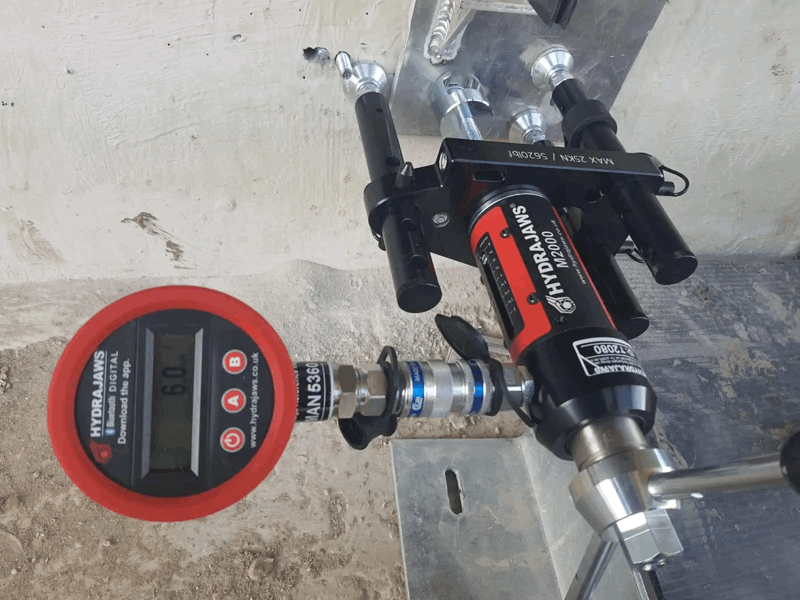
We begin by looking behind the visible panels. An intrusive survey involves opening "inspection pits" to examine the internal build-up of the wall. We look for missing cavity barriers, combustible insulation, and signs of moisture ingress or structural failure in the railing system. This data forms the baseline for the cladding remediation audit trail.
During this stage, we often find that the problem is localised. For instance, the panels themselves might be fire-rated, but the installation of the fire breaks might be deficient. In such cases, we may recommend targeted golden thread external wall remediation rather than a complete, costly replacement of the entire system.
Establishing the Risk Profile
The findings from the initial testing are used to categorise the building’s risk. This usually aligns with the PAS 9980 methodology, which assesses the fire risk of external wall sets. Our role is to provide the technical clarity needed to decide whether to repair, remediate, or replace. This decision-making process is the first entry in the golden thread record.
The Tiers of Intervention: Repair vs. Replacement
A common misconception is that all non-compliant cladding must be stripped and replaced. While this is sometimes the only safe option, a nuanced approach can save time, money, and resident disruption.
1. Localised Remediation
If the external panels are safe but the internal components—like cavity barriers or secondary fixings—are failing, we perform localised remediation. This involves removing sections of the cladding, fixing the underlying defect, and reinstating the panels. Every step of this "surgical" intervention is recorded to maintain the cladding remediation audit trail.
2. Partial Recladding
In some buildings, only specific elevations or specific materials are non-compliant. A partial golden thread recladding project focuses on replacing high-risk elements while retaining safe sections of the façade. This requires careful management of the interface between old and new systems to ensure weather tightness and fire continuity.
3. Full Cladding Replacement
For buildings with widespread systemic failures—such as the presence of ACM (Aluminium Composite Material) with a polyethylene core or highly combustible HPL (High-Pressure Laminate)—a full replacement is necessary. This is a major operation involving full scaffolding or mast climbers, and it requires a comprehensive golden thread cladding remediation plan to track the massive volume of data generated during the project.
Managing Logistics in Occupied High-Rise Buildings
One of the most complex aspects of golden thread external wall remediation is working on buildings where people live and work. The logistics of high-rise projects require a high level of sensitivity and planning. We focus on minimising the "encapsulation" effect where residents feel trapped behind scaffolding and debris netting.
Resident Communication and Safety
Clear communication is essential. Residents need to know when work will be happening outside their windows, how their privacy will be protected, and what the fire safety plan is during the construction phase. We ensure that fire escape routes remain clear and that temporary fire detection systems are operational throughout the project.
Access and Sequencing
Tall buildings present unique access challenges. Whether using traditional scaffolding, cradle systems, or mast-climbing work platforms (MCWPs), the equipment must be fit for purpose. We sequence the work to ensure that the building remains weather-tight. Removing too much cladding at once can expose the inner structure to the elements, leading to water ingress and secondary damage.
Golden Thread Cladding Remediation
Building the Cladding Remediation Audit Trail
The physical work of golden thread cladding remediation is only half the battle. The other half is the meticulous collection of data. In a modern project, this is typically handled via digital platforms where site teams can upload data in real-time.
Digital Data Collection
Gone are the days of paper checklists that get lost in a site office. We use digital tools to tag every component. For example, a cavity barrier can be photographed, GPS-located, and timestamped before the cladding panel is fixed over it. This creates a permanent cladding remediation record that can be viewed by the Building Safety Regulator at any time.
Material Tracking and Consistency
The golden thread ensures that the materials specified in the design phase are the exact materials used on-site. Substitution of materials is a major risk factor in building safety. If a specific brand of non-combustible mineral wool is specified, our cladding remediation audit trail will include delivery notes and batch numbers to prove that no inferior alternatives were swapped in during construction.
Third-Party Inspections
To ensure the highest level of confidence, we often work alongside independent fire engineers and cladding consultants. These third-party professionals provide an extra layer of verification, signing off on critical stages of the golden thread external wall remediation. Their reports are integrated into the final digital handover package.
The Handover: Closing the Information Loop
Once the physical golden thread recladding is complete, the focus shifts to the final documentation package. This is not a mere formality; it is a legal requirement for the building to be considered compliant under the new regime.
The final digital record should be easy to navigate. It should allow a building manager to click on a specific floor or elevation and see exactly what materials are behind the façade. This level of detail is invaluable for future maintenance, as it prevents the need for further intrusive surveys if repairs are needed in the future.
This "digital twin" of the building’s façade serves as the definitive cladding remediation record. It provides peace of mind to residents, satisfies the requirements of the Building Safety Regulator, and protects the long-term commercial value of the asset.
Common Challenges in Golden Thread Projects
Implementing golden thread cladding remediation is not without its hurdles. Understanding these challenges early can help building owners plan more effectively.
- Legacy Data Gaps: Many buildings have no existing records. The first step is often a "discovery" phase where we reconstruct the building’s history through forensic investigation.
- Regulatory Changes: The Building Safety Regulator's requirements are still evolving. Staying ahead of these changes requires constant vigilance and professional expertise.
- Supply Chain Transparency: Ensuring every sub-contractor adheres to the cladding remediation audit trail requires strict site management and clear contractual obligations.
- Cost Management: The additional layer of documentation adds to the project’s overhead, but this is a necessary investment to avoid the much higher costs of non-compliance.
Frequently Asked Questions
What is the legal basis for the golden thread?
The golden thread is mandated by the Building Safety Act 2022. It applies to all "in-scope" buildings, which currently includes residential buildings, care homes, and hospitals that are over 18 metres tall or have at least seven storeys. The Act requires that safety information is kept digitally and is accurate and accessible.
Does golden thread cladding remediation apply to buildings under 18 metres?
While the statutory requirement for the Building Safety Regulator's Gateway system specifically targets buildings over 18 metres, the principles of the golden thread are being adopted across the industry. For buildings between 11 and 18 metres, following a cladding remediation audit trail is considered best practice and is often required by lenders and insurers.
How does the golden thread affect insurance?
Insurers are increasingly wary of buildings with incomplete safety records. A building that has undergone golden thread external wall remediation provides a transparent risk profile. This makes it significantly easier for brokers to secure competitive terms for Professional Indemnity (PI) and Buildings Insurance.
Can we use existing paper records for the golden thread?
The government requires the golden thread to be digital. While you can scan existing paper records, the goal is to have "searchable" and "accessible" data. For new golden thread recladding projects, data should be captured digitally from the outset to ensure it meets the standard for being a "living" record.
Who is responsible for maintaining the cladding remediation records?
During the remediation project, the Principal Designer and Principal Contractor are responsible for gathering the data. Once the project is handed over, the responsibility passes to the Principal Accountable Person (usually the building owner or the Management Company), who must maintain the cladding remediation record for the life of the building.
What happens if the golden thread is broken?
A "broken" thread means there is a gap in the information regarding the building's safety. This can lead to the Building Safety Regulator refusing to issue a Building Assessment Certificate. In practical terms, it can also lead to significant delays during property transactions, as buyers' solicitors will flag the lack of evidence as a high-risk issue.
How do I know if my building needs full recladding or just repair?
This can only be determined through a professional technical assessment. By conducting cladding testing and intrusive surveys, we can identify whether the defects are systemic or localised. Our approach is to provide a solution that is safe, compliant, and economically viable, rather than defaulting to the most expensive option.
Conclusion: The Future of Façade Management
The introduction of golden thread cladding remediation represents a fundamental shift in how the UK construction industry operates. It moves the focus away from "finishing the job" and towards "documenting the safety." For those responsible for high-rise buildings, this transparency is the best tool available for managing risk and ensuring long-term structural integrity.
Working with a specialist team ensures that your cladding remediation audit trail is robust enough to withstand regulatory scrutiny. By integrating technical expertise with digital precision, we help building owners navigate the complexities of modern fire safety, providing a clear path from initial investigation to a fully compliant, documented handover.
Whether you are dealing with a historic lack of information or planning a major golden thread external wall remediation, the goal remains the same: a building that is demonstrably safe, today and in the future.
Golden Thread Cladding Remediation