
curtain wall remediation
Curtain Wall Remediation
Curtain wall systems are among the most complex elements of a building’s exterior. These non-structural outer coverings, typically comprising aluminium frames, glass infill panels, and spandrel sections, are designed to protect the structure from the elements while providing aesthetic appeal. However, when these systems fail due to age, poor installation, or material degradation, the result is often water ingress, thermal inefficiency, or structural instability. Curtain wall remediation is the professional process of identifying these failures and implementing targeted engineering solutions to
Independent
UK-wide coverage
Survey options
Clear reporting
On this page
Book a curtain wall remediation survey
Curtain wall systems are among the most complex elements of a building’s exterior. These non-structural outer coverings, typically comprising aluminium frames, glass infill panels, and spandrel sections, are designed to protect the structure from the elements while providing aesthetic appeal. However, when these systems fail due to age, poor installation, or material degradation, the result is often water ingress, thermal inefficiency, or structural instability. Curtain wall remediation is the professional process of identifying these failures and implementing targeted engineering solutions to restore the façade’s performance.
At CladdingTesting.com, we recognise that a failing façade represents a significant liability for building owners and managing agents. Our approach prioritises a systematic investigation to determine whether the system requires localised repairs, a comprehensive curtain wall refurbishment, or a complete curtain wall reclad. Addressing these issues early can prevent the need for more invasive and costly curtain wall replacement projects in the future.
Key Takeaways
- Systematic Diagnosis: Effective remediation begins with professional cladding testing to identify the root cause of failures rather than just treating symptoms.
- Regulatory Compliance: All remedial works must align with current UK Building Regulations, specifically focusing on fire safety and structural integrity for high-rise buildings.
- Refurbishment vs Replacement: Remediation does not always mean full replacement; many systems can be successfully refurbished through gasket replacement, sealant renewal, and drainage clearance.
- Logistic Complexity: Working on occupied high-rise buildings requires specialist access strategies, such as cradles or mast climbers, to minimise resident disruption.
- Interface Management: Success depends on managing the critical junctions between the curtain wall and the primary building structure, including cavity barriers and fire stopping.
Curtain wall remediation is the technical process of restoring the structural integrity, weatherproofing, and thermal performance of a building’s glazed façade system. It involves a range of interventions, from replacing failed gaskets and seals to the systematic removal and curtain wall recladding of entire elevations where the original system is no longer fit for purpose.
- Structural Assessment: Checking brackets, fixings, and aluminium profiles for corrosion or movement.
- Weatherproofing: Addressing water leaks through pressure-equalised drainage systems and sealant repairs.
- Glazing Upgrades: Replacing failed Double Glazed Units (DGUs) to restore thermal efficiency.
- Compliance: Ensuring the internal fire stopping and cavity barriers meet modern safety standards.
Understanding the Need for Curtain Wall Remediation
Many curtain wall systems installed across the UK between the 1980s and early 2000s are now reaching the end of their design life. Over time, the EPDM gaskets become brittle, sealants fail due to UV exposure, and internal drainage channels become blocked with debris. When these components fail, the system can no longer manage water effectively, leading to internal damage and dampness.
In more serious cases, curtain wall facade remediation is driven by safety concerns. This includes the discovery of inadequate fire stopping between floors or the use of combustible insulation within spandrel panels. In the current UK regulatory environment, building owners have a legal and moral obligation to ensure these external wall systems do not pose a risk to life safety.
Common Indicators of Façade Failure
Identifying the early signs of curtain wall deterioration is essential for preventing long-term structural damage. Managing agents should look for the following "red flag" issues:
- Persistent Water Ingress: Damp patches around window heads or at the floor-to-ceiling interface.
- Visible Gasket Shrinkage: Gaps appearing at the corners of glazing beads, allowing wind and rain to bypass the primary seal.
- Mist or Condensation: "Blown" double-glazing units where the perimeter seal has failed, leading to condensation between the glass panes.
- Whistling or Drafts: Air permeability issues that indicate the system’s pressure-equalisation is no longer functioning.
- Discoloured Spandrel Panels: Signs of moisture trapping or delamination behind the non-transparent sections of the façade.
The Impact of Thermal Performance
Beyond safety and weatherproofing, curtain wall refurbishment is frequently motivated by energy efficiency. Older systems often feature significant thermal bridging, where heat escapes through the aluminium frame. During a remediation project, we can often introduce thermal breaks or replace older glazing with high-performance, low-emissivity glass to significantly reduce the building's carbon footprint and operational costs.
The Investigative Process: Assessing the Façade
We believe that no remediation work should commence without a thorough understanding of the existing system's condition. A generic approach to curtain wall replacement often leads to unnecessary costs. Instead, a targeted investigation allows for a more surgical and cost-effective intervention.
Visual and Intrusive Inspections
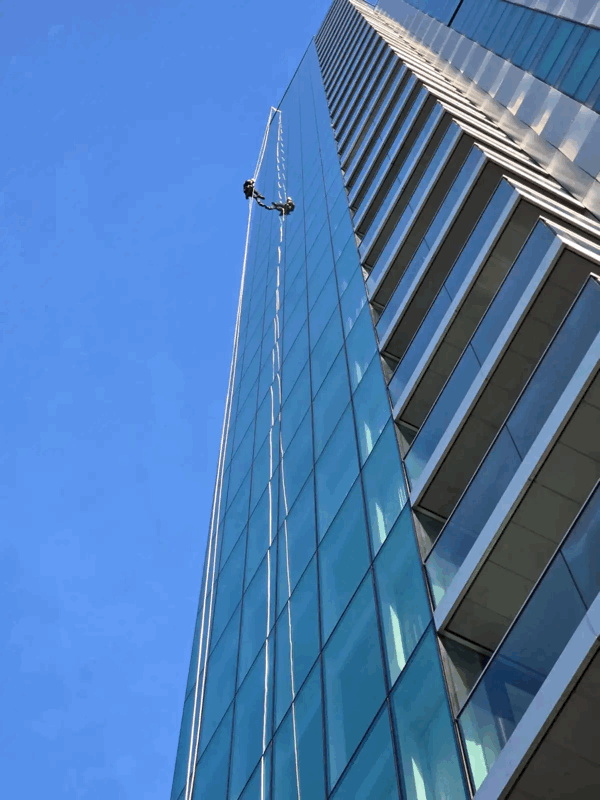
Initial surveys are typically conducted via rope access or mobile elevating work platforms (MEWPs). We look for surface-level defects, but the real answers often lie behind the panels. Intrusive inspections involve removing specific sections of the curtain wall to inspect the condition of the fixings, the presence of cavity barriers, and the integrity of the vapour permeable membranes.
Water Testing and Diagnostics
To identify the exact path of water ingress, we employ standardised testing methods, such as hose testing or spray bar testing in accordance with CWCT (Centre for Window and Cladding Technology) standards. By simulating heavy rainfall, we can pinpoint whether a leak is caused by a failed gasket, a blocked drainage hole, or a fundamental design flaw in the system’s pressure-equalisation chamber.
Testing for Material Compliance
For buildings over 11 metres (and particularly those over 18 metres), the composition of the materials within the curtain wall is critical. We coordinate the sampling and laboratory testing of insulation and spandrel panel cores to ensure they meet the non-combustibility requirements set out in the Building Safety Act and associated regulations.
Strategic Options for Façade Restoration
Once the investigation is complete, we present a range of options tailored to the building’s specific needs. The choice between repair, curtain wall refurbishment, and full curtain wall reclad depends on the extent of the damage, the remaining life of the components, and the available budget.
1. Localised Repairs and Maintenance
In many cases, the primary aluminium structure is sound, and only the "consumable" parts of the façade have failed. Remediation here involves:
• Replacing perished EPDM gaskets.
• Raking out and replacing failed silicone weather seals.
• Clearing and cleaning internal drainage "weep holes."
• Replacing individual cracked or blown glazing units.
2. Comprehensive Curtain Wall Refurbishment
Refurbishment is a mid-scale intervention. It is often chosen when the system is structurally sound but thermally inefficient or aesthetically dated. This process might include over-spraying the aluminium powder coating, upgrading all glazing to modern standards, and installing new, compliant cavity barriers at every floor slab to meet fire safety requirements.
3. Curtain Wall Recladding
A curtain wall reclad involves removing the existing "skin" of the building—the glass and spandrel panels—while retaining the underlying structural grid if possible. This allows for a total transformation of the building’s appearance and performance without the need for a full structural overhaul. It is a popular choice for commercial-to-residential conversions or for upgrading 1970s office blocks.
4. Full Curtain Wall Replacement
When the original system has reached total failure—perhaps due to significant structural movement or severe corrosion of the fixing brackets—a full curtain wall replacement is necessary. This involves the complete removal of the aluminium grid and the installation of a modern, high-performance system. While this is the most disruptive option, it provides the building with a "day one" warranty and the highest possible performance standards.
The Role of Fire Safety in Remediation
In the UK, fire safety is the primary driver for many curtain wall facade remediation projects. Curtain walls present a unique challenge because they are hung off the edge of the floor slabs, creating a continuous void between the façade and the building structure. If this void is not properly sealed, it can act as a chimney for smoke and flames.
Our remediation strategies focus heavily on:
• Cavity Barrier Integrity: Ensuring that horizontal and vertical fire barriers are correctly compressed and fixed to prevent fire spread.
• Spandrel Panel Upgrades: Replacing combustible aluminium composite material (ACM) or high-pressure laminate (HPL) spandrels with non-combustible alternatives like mineral wool-cored panels or solid aluminium.
• Fire Stopping: Verifying the interface between the curtain wall and the internal compartment walls to ensure no gaps exist.
Book a curtain wall remediation survey
Challenges of Remediating Occupied High-Rise Buildings
One of the most complex aspects of curtain wall remediation is managing the works while the building remains in use. Whether it is a residential block of flats or a city-centre office, the logistics of the project must be meticulously planned to ensure safety and maintain the building's functionality.
Access and Logistics
Standard scaffolding is often not feasible for very tall buildings or those with limited ground space. We specialise in alternative access methods:
• Mast Climbing Work Platforms (MCWPs): Providing a stable, high-capacity platform that can travel up the face of the building.
• Cradle Systems: Suspended from the roof, these are ideal for localized curtain wall refurbishment or glazing replacement.
• Rope Access: Used for rapid inspections and minor repairs where heavy plant is not required.
Resident and Tenant Liaison
Remediation is inherently disruptive. It involves noise, the presence of workers outside windows, and occasionally the need to access units from the inside to complete fire-stopping works. We prioritise clear communication, providing residents with detailed schedules and ensuring that all "wet" or noisy works are conducted during agreed hours to minimise the impact on daily life.
Maintaining Weather Tightness During Works
When performing a curtain wall reclad, large sections of the building envelope may be temporarily removed. We use advanced temporary weather-screening techniques to ensure that the building remains watertight and secure overnight. This involves a phased approach where only manageable sections of the façade are opened at one time.
Technical Standards and Compliance in the UK
All curtain wall remediation work must be carried out in strict accordance with UK building regulations and industry best practices. Following a cladding testing phase, we ensure that every remedial design is validated by qualified structural engineers and fire consultants.
- Approved Document B: Ensuring all materials meet the required fire performance ratings (typically Class A1 or A2-s1, d0).
- Approved Document L: Meeting the latest requirements for thermal insulation and air tightness to reduce carbon emissions.
- CWCT Standards: Adhering to the Centre for Window and Cladding Technology’s guidelines for the design, testing, and maintenance of building envelopes.
- Building Safety Act 2022: Navigating the new "Gateways" and ensuring all works are fully documented for the "Golden Thread" of information.
The Financial Perspective: Funding and Insurance
The cost of curtain wall replacement or remediation is a major concern for leaseholders and building owners. In the UK, several avenues may be available to help offset these costs. We work alongside clients to provide the technical documentation required for funding applications, such as the Building Safety Fund (BSF).
Furthermore, professional remediation can have a positive impact on building insurance premiums. Many insurers are now hesitant to cover buildings with unresolved façade issues or "action required" fire safety reports. By completing a certified curtain wall facade remediation programme, owners can demonstrate that the risk has been mitigated, often leading to more favourable insurance terms and increased property value.
Case Study: Refurbishment vs. Total Replacement
Consider a 15-storey residential tower where residents reported water ingress and cold spots. An initial assessment suggested a full curtain wall replacement costing several million pounds. However, after detailed cladding testing, CladdingTesting.com identified that the aluminium grid was in excellent condition. The failure was isolated to the EPDM gaskets and the compression of the internal fire barriers.
Instead of a full replacement, we implemented a curtain wall refurbishment strategy:
1. All external gaskets were replaced with modern, UV-stable alternatives.
2. The internal fire stopping was reinstated at every floor level.
3. High-performance vacuum-insulated spandrel panels were installed to improve thermal ratings.
This approach saved the client over 60% compared to a full reclad while extending the building's life by an estimated 25 years.
Methodology for a Successful Remediation Project
Our project delivery model is designed to provide certainty in an uncertain environment. We follow a clear, four-stage process to move from problem identification to final certification.
Stage 1: Discovery and Analysis
We perform non-destructive and intrusive testing. This includes borescope inspections, thermographic surveys to find heat loss, and structural pull-out tests on fixings. The goal is to build a complete digital picture of the façade's current state.
Stage 2: Design and Specification
Working with architects and façade engineers, we develop a remediation specification. This includes choosing the right materials for a curtain wall reclad and ensuring that the new components are compatible with the existing structure. We also handle the planning and building control applications.
Stage 3: Execution and Quality Control
During the construction phase, we maintain a rigorous quality control regime. This is not just about installing the materials, but documenting how they are installed. We use digital auditing tools to photograph every cavity barrier and fixing before they are covered up, providing an immutable record of compliance.
Stage 4: Handover and Certification
Once the curtain wall remediation is complete, we provide a comprehensive O&M (Operation and Maintenance) manual. This includes warranties for materials and workmanship, along with a schedule for future maintenance to ensure the façade continues to perform for decades to come.
Future-Proofing Your Façade
The lessons learned from the recent focus on fire safety have changed how we view façade maintenance. Curtain wall remediation is no longer just about fixing a leak; it is about future-proofing the asset. Modern remediation now incorporates smart technology, such as embedded moisture sensors or high-performance coatings that resist urban pollution.
Choosing a specialist who understands the nuances of curtain wall recladding ensures that the building does not just meet today’s standards, but is prepared for the stricter environmental regulations expected in the coming years. A well-executed remediation project should result in a building that is safer, warmer, and more valuable.
Frequently Asked Questions
How long does curtain wall remediation typically take?
The duration varies significantly based on the scale of the building. A localised curtain wall refurbishment for a medium-sized block might take 3-6 months. However, a full curtain wall replacement on a high-rise tower can take 12-24 months, depending on access requirements and weather conditions.
Can we stay in the building during the work?
In most cases, yes. We specialise in "in-situ" remediation, where the works are sequenced to allow residents or office workers to remain inside. We use external access systems to minimise the need for workers to enter private spaces, although some internal fire-stopping work may require brief access.
What is the difference between a reclad and a replacement?
A curtain wall reclad usually involves replacing the outer components (glass, panels, gaskets) while keeping the original aluminium frame. A curtain wall replacement involves removing everything down to the building’s concrete or steel structure and starting again with a new system.
How do I know if my building needs remediation?
Common signs include water leaks, drafts, visible damage to seals, or a failing EWS1 (External Wall System) survey. If your building was constructed more than 20 years ago, it is highly likely that the gaskets and sealants require attention, even if no major leaks are currently visible.
Is curtain wall remediation covered by the Building Safety Fund?
If the remediation is required to address life-safety fire risks (such as combustible spandrel panels or missing cavity barriers) on a residential building over 11 metres, it may be eligible for government funding. We can assist in providing the technical evidence required for these applications.
What are the risks of ignoring curtain wall defects?
Ignoring defects can lead to structural failure of fixing brackets, widespread internal water damage, and increased fire risk. Furthermore, a building with known, unaddressed façade issues can become unmortgageable and uninsurable, significantly impacting its market value.
How do you ensure the new system is watertight?
We follow the CWCT testing framework, which includes on-site hose testing of newly installed sections. By applying water at specific pressures to the joints and interfaces, we can verify that the curtain wall facade remediation has been successful before we strike the scaffolding or move the mast climbers.
Will remediation improve the EPC rating of my building?
Yes, significantly. Upgrading to modern glazing and non-combustible, high-performance insulation during a curtain wall recladding project will reduce thermal bridging and air leakage, leading to a much better Energy Performance Certificate (EPC) rating and lower utility bills.
Expertise You Can Trust
At CladdingTesting.com, we provide the technical clarity needed to resolve complex façade issues. Whether you are dealing with a single leaking elevation or require a multi-block curtain wall replacement strategy, our team delivers solutions based on engineering evidence and practical experience. We help you move from the uncertainty of a failing façade to the confidence of a safe, compliant, and high-performing building envelope.
Book a curtain wall remediation survey
What it costs
Pricing depends on building height, access and scope
Reviews
What clients say
Verified 5-star Google reviews from building owners, managing agents and contractors.