
UK cladding crisis
UK Cladding Crisis
The UK cladding crisis is a systemic failure of building safety involving the widespread use of combustible materials on the external walls of high-rise residential and commercial properties. Following the 2017 Grenfell Tower fire, it was discovered that thousands of buildings across the United Kingdom were wrapped in hazardous materials, such as Aluminium Composite Material (ACM) and High-Pressure Laminate (HPL), which do not meet modern fire safety standards.
On this page
12 min read
Last updated
UK Cladding Crisis
The UK cladding crisis is a systemic failure of building safety involving the widespread use of combustible materials on the external walls of high-rise residential and commercial properties. Following the 2017 Grenfell Tower fire, it was discovered that thousands of buildings across the United Kingdom were wrapped in hazardous materials, such as Aluminium Composite Material (ACM) and High-Pressure Laminate (HPL), which do not meet modern fire safety standards.
For building owners, managing agents, and property professionals, the combustible cladding crisis represents a complex challenge involving legal liability, significant remediation costs, and the urgent need for technical intervention. Addressing these issues requires a methodical approach—from initial site inspections to the execution of large-scale recladding programmes—to ensure the long-term safety and insurability of the asset.
- Regulatory Shift: The crisis was triggered by the discovery that existing building regulations were insufficient or poorly enforced regarding external wall systems.
- Material Risk: The primary concern involves combustible panels and insulation that allow fire to spread rapidly across a building's façade.
- Scope of Work: Solutions range from minor repairs and the installation of cavity barriers to full-scale façade replacement.
- Financial Impact: Remediation is often funded through the Building Safety Fund, developer pledges, or, in some contested cases, leaseholder service charges.
Key Takeaways
- Safety First: The UK cladding crisis is primarily a life-safety issue necessitated by the presence of flammable materials in external wall systems.
- Technical Assessment: A professional cladding testing and inspection process is the only way to accurately determine the risk profile of a building.
- Remediation Strategy: Not every building requires total recladding; many can be made safe through targeted repairs or the installation of missing fire-stopping components.
- Legislative Compliance: The Building Safety Act 2022 has significantly altered the legal landscape, placing more responsibility on "Accountable Persons" and developers.
- Asset Value: Resolving cladding issues is essential for restoring property value and securing mortgages for individual units.
- Professional Guidance: Expert façade specialists are required to navigate the logistics of working on occupied high-rise buildings.
What is the Cladding Crisis?
To answer what is the cladding crisis, one must look at the intersection of construction practices and fire safety legislation. For decades, the UK construction industry utilised various cladding systems to improve the thermal efficiency and aesthetic appeal of high-rise blocks. However, many of these systems contained combustible cladding components that, in the event of a fire, could bypass internal fire-stopping measures.
The united kingdom cladding crisis gained national attention after the grenfell tower cladding replacement 2007 project was found to have used flammable ACM panels. This prompted a nationwide review of all high-rise buildings, revealing that the problem was not isolated to a single site or material. It extends to various types of metal composites, timber, and certain rendered insulation systems (ETICS).
The Scale of the Problem
The combustable cladding crisis uk affects thousands of buildings over 11 metres in height. Data from the Department for Levelling Up, Housing and Communities (DLUHC) suggests that as of 2024, thousands of residential buildings still require some form of remediation. The scale involves not just the replacement of panels, but also the correction of poorly installed cavity barriers and flammable insulation hidden behind the external skin.
Why Modern Façades Failed
In many cases, the failure was not just the material itself, but the entire "system." A façade is an assembly of brackets, rails, insulation, vapour membranes, and outer panels. The cladding crisis explained simply is: if one component is combustible and the fire-stopping (cavity barriers) is missing or incorrectly installed, the entire wall acts like a chimney, drawing flames upward and sideways at an uncontrollable rate.
The Legacy of Grenfell: From 2017 to the Present
The grenfell tower cladding replacement that took place years before the fire has become a case study in why rigorous testing is vital. The grenfell tower council flats cladding replaced during that refurbishment was intended to modernise the building, but it introduced a catastrophic fire risk. This has led to direct calls for cladding to be replaced grenfell-style across the entire social and private housing sector.
Since the tragedy, the government has introduced a bill to replace grenfell cladding and other hazardous materials, which eventually evolved into the Building Safety Act. This legislation aims to ensure that such a failure in building oversight never happens again. However, for those currently managing affected buildings, the focus remains on the latest news on cladding crisis updates regarding funding and technical guidance.
When Will the Cladding Crisis End?
One of the most frequent questions from property managers is: when will the cladding crisis end? While the "end" is difficult to define, the industry is currently in the peak phase of remediation. Major developers have signed pledges to fix buildings they constructed, and the Building Safety Fund (BSF) continues to process applications. We anticipate that high-risk buildings will see the majority of works completed within the next 3 to 5 years, though complex legal disputes may linger longer.
Identifying the Need for Remediation
Before any physical work begins, a building must undergo a thorough technical assessment. At CladdingTesting.com, we advocate for a forensic approach to these inspections. It is not enough to look at a building's O&M manuals; "as-built" reality often differs significantly from the original design drawings.
External Wall Fire Risk Assessments (EWFRA)
The EWFRA, often conducted under the PAS 9980 framework, is the standard method for evaluating the fire risk of an external wall. This assessment determines whether the cladding system poses a life-safety risk. If the risk is deemed "High" or "Medium-High," remediation is typically required. The grenfell cladding replacement projects seen across the UK often start with these critical findings.
Intrusive Surveys and Testing
To truly understand the combustable cladding crisis at a site-specific level, intrusive surveys are necessary. This involves:
- Opening "sampling pits" in the façade to inspect the internal composition.
- Checking for the presence and correct orientation of cavity barriers.
- Identifying the specific grade of insulation (e.g., PIR vs. Mineral Wool).
- Laboratory testing of panel cores to determine their calorific value.
Is Full Replacement Always Necessary?
A common misconception in the cladding crisis is that every piece of cladding must be stripped. In some instances, cladding repairs are possible. For example, if the panels are non-combustible but the cavity barriers are missing, it may be possible to remove specific sections, install the necessary fire-breaks, and reinstate the original panels. This approach is more cost-effective and reduces resident disruption.
The Remediation Process: A Step-by-Step Guide
Navigating the UK cladding crisis requires a clear roadmap. For a managing agent or building owner, the process generally follows these stages:
- Initial Assessment: A visual and desk-based review of the building's façade history.
- Intrusive Investigation: Physical sampling and cladding testing to confirm material types and installation quality.
- Risk Rating: A fire engineer or specialist surveyor produces a PAS 9980 report.
- Design and Specification: If remediation is needed, a new, compliant system is designed. This includes selecting A1 or A2-s1, d0 rated materials.
- Tendering and Funding: Securing quotes and applying for the Building Safety Fund or pursuing the original developer.
- On-Site Works: The physical removal and replacement of materials, often while the building remains occupied.
- Certification: Final inspections and the provision of an EWS1 form to facilitate future sales and lending.
Managing Logistics in Occupied Buildings
Replacing cladding on a high-rise building is a significant logistical undertaking. Unlike new-build projects, remediation happens while people are living in their homes. This requires:
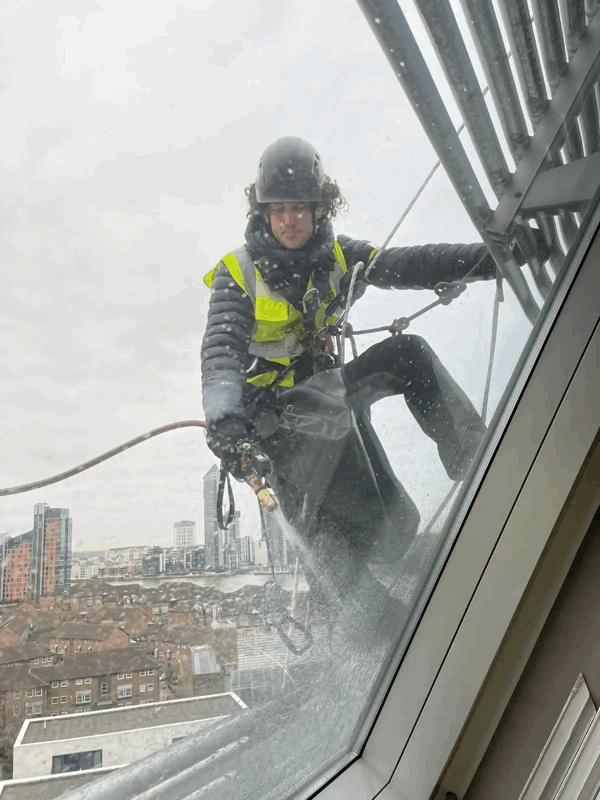
- Access Solutions: Choosing between mast climbers, scaffolding, or industrial rope access based on the building's footprint.
- Resident Communication: Keeping tenants informed about noise, privacy (window masking), and safety protocols.
- Fire Safety Measures: Implementing "Waking Watches" or temporary fire alarm systems (Common Fire Alarm) until the façade is made safe.
UK Cladding Crisis
Technical Challenges in Recladding
The united kingdom cladding crisis has revealed that modern façades are incredibly complex. When we approach a grenfell tower cladding replacement type project, we must consider more than just fire safety. The replacement system must also perform in terms of weatherproofing, thermal insulation, and structural stability.
Interface Details
One of the hardest parts of recladding is the interface between the new system and existing components, such as windows, balconies, and rooflines. If these interfaces are not handled correctly, the building may suffer from water ingress or cold bridging, leading to mould growth inside the apartments. A specialist contractor must ensure that the new façade integrates seamlessly with the original structure.
Weight Considerations
Many older cladding systems were lightweight. Some modern, non-combustible alternatives—like solid aluminium or stone—can be significantly heavier. A structural engineer must assess whether the building's original frame and fixing points can support the increased load of the new materials.
Thermal Performance
The UK cladding crisis should not result in a downgrade of a building's energy efficiency. When replacing combustible insulation with mineral wool, the thickness of the insulation layer often needs to increase to achieve the same U-value. This can affect the "depth" of the façade, requiring new flashings and window reveals.
Funding and the Legal Landscape
The question of who pays is perhaps the most contentious aspect of the cladding crisis explained. For years, leaseholders were faced with life-changing bills. Today, the landscape has shifted toward "polluter pays" and government intervention.
The Building Safety Fund (BSF)
The BSF is a multi-billion pound fund designed to cover the cost of replacing unsafe cladding on residential buildings over 18 metres. For buildings between 11 and 18 metres, a separate scheme exists. Applying for these funds is a rigorous process that requires detailed evidence of the hazardous materials present.
Developer Pledges
Under pressure from the government, most major UK developers have signed a pledge to remediate "life-safety fire safety defects" in buildings they had a hand in developing over the last 30 years. This has shifted the burden away from many leaseholders, though it can sometimes lead to delays as developers conduct their own assessments.
Professional Indemnity Insurance
The cladding crisis has also placed immense pressure on the insurance market. For property professionals, ensuring that all consultants and contractors have appropriate Professional Indemnity (PI) insurance—without "fire safety" exclusions—is a critical part of risk management.
Maintenance and Long-Term Façade Health
Even once the combustable cladding crisis uk has been resolved for a specific building, the work is not over. High-rise façades require ongoing maintenance to ensure they remain safe and functional for their designed lifespan. We recommend a proactive maintenance schedule to identify minor issues before they become major liabilities.
Routine Inspections
Regular visual inspections can identify:
- Loose or vibrating panels.
- Degradation of sealants and gaskets.
- Signs of corrosion on fixing rails.
- Blockages in the drainage cavities behind the cladding.
Cladding Repairs vs. Replacement
In the latest news on cladding crisis management, there is a growing trend toward "proportionality." If a building has been remediated or was built with safe materials, small areas of damage should be addressed through targeted cladding repairs. This prevents the need for wider interventions and helps maintain the building's aesthetic and protective integrity.
The Future of the UK Façade Industry
The UK cladding crisis has fundamentally changed how we build and maintain high-rise structures. The introduction of the "Golden Thread" of information means that every building must have a digital record of its materials and safety assessments. This transparency will prevent the "hidden" risks that led to the current crisis.
We are also seeing a shift in material science. There is a renewed focus on A1-rated materials like solid aluminium, zinc, and terracotta. These materials provide the same design flexibility as ACM but with the inherent safety of non-combustibility.
A Higher Standard of Installation
Compliance is not just about what material you use, but how you install it. The combustible cladding crisis was exacerbated by poor workmanship, such as cavity barriers installed backwards or not at all. Future projects will involve much higher levels of third-party oversight and clerk-of-works inspections to ensure that the "as-built" façade perfectly matches the safety design.
Frequently Asked Questions
What is the cladding crisis exactly?
The UK cladding crisis refers to the discovery that many high-rise buildings were constructed using external wall systems that facilitate the spread of fire. It has resulted in a massive national programme to identify, test, and remove these materials to protect residents.
When will the cladding crisis end for leaseholders?
For most leaseholders, the crisis "ends" when their building receives an EWS1 form with a rating of A1, A2, or B1. This usually happens after remediation works are completed and certified. While many projects are underway, the sheer volume of buildings means it may take several more years to clear the backlog entirely.
Can I sell my flat if the building has combustible cladding?
Selling a property affected by the combustible cladding crisis uk is difficult but not impossible. Most lenders require an EWS1 form. If the building has a funded remediation plan in place or a developer has committed to the works, some lenders are now showing more flexibility, but the process is still more complex than a standard sale.
What is the difference between remediation and replacement?
Remediation is a general term for fixing safety defects. This could involve cladding repairs, adding fire-stops, or replacing insulation. Replacement specifically refers to the full removal of the existing cladding panels and the installation of a completely new, compliant system.
Is timber cladding part of the crisis?
Yes, timber cladding is often classified as a combustible material. Depending on the height of the building and the specific fire risk assessment (PAS 9980), timber may need to be treated with fire retardants or replaced with non-combustible alternatives to meet safety standards.
How do I know if my building is safe?
The only definitive way to know is to review the building's Fire Risk Assessment and any specific External Wall reports. If you are a building owner or manager and do not have these documents, you should commission a professional cladding testing survey immediately.
Navigating the Path Forward
The UK cladding crisis is a daunting challenge for any property professional. The technical, legal, and financial hurdles can be overwhelming. However, by breaking the problem down into logical steps—investigation, assessment, and targeted action—it is possible to resolve even the most complex façade issues.
At CladdingTesting.com, our focus is on providing the technical clarity needed to make informed decisions. We do not believe in a "one size fits all" approach. Every building is unique, and our goal is to identify the most practical, safe, and cost-effective route to compliance. Whether that involves localised cladding repairs or a multi-million-pound grenfell tower cladding replacement programme, we provide the expertise to see the project through to completion.
The industry is moving toward a safer future. By addressing the legacy of unsafe cladding now, we ensure that the UK’s high-rise buildings remain safe places to live and work for generations to come. If you are responsible for a building and are concerned about its external wall system, the time to act is now. Systematic investigation is the first step toward resolution.
UK Cladding Crisis